
Search News
Industry Portal
Popular Tags
How to choose packaging equipment without overspending
Author
Dr. Isaac Logic
Time
May 31, 2026
Pageviews
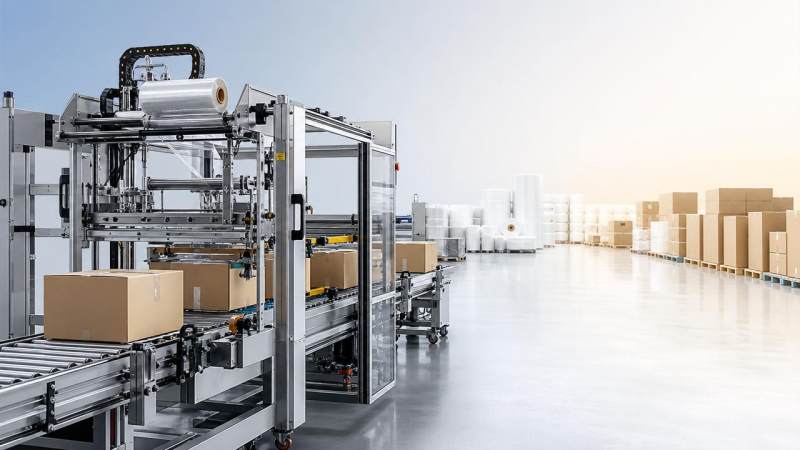
Choosing the right packaging equipment is not about buying the most advanced machine.
It is about matching performance, reliability, scalability, and total cost of ownership to real production needs.
Overspending often happens when specifications are unclear, supplier claims are not verified, or future automation requirements are ignored.
This guide explains how to evaluate packaging equipment with a practical, engineering-driven approach.
The goal is to reduce investment risk, avoid unnecessary features, and build a smarter production line.
Why packaging equipment decisions need a structured checklist
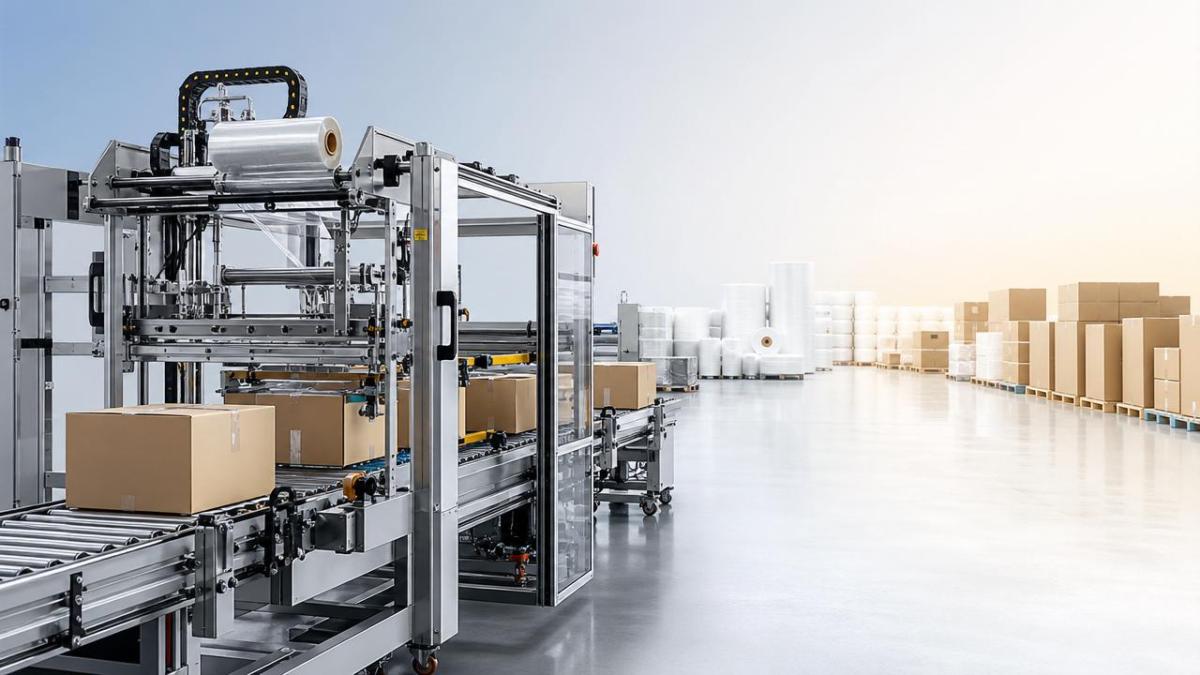
Packaging equipment affects throughput, product quality, labor demand, maintenance cost, material waste, and line availability.
A machine that looks affordable can become expensive when changeovers are slow or spare parts are difficult to source.
A high-end system can also waste capital if the production environment does not require its full capability.
A checklist creates discipline before quotation comparison begins.
It turns vague expectations into measurable criteria, such as speed, uptime, footprint, integration, safety, and lifecycle cost.
For Industry 4.0 factories, packaging equipment should also fit control architecture, data systems, and long-term automation roadmaps.
Core checklist for choosing packaging equipment without overspending
Use the following checklist before requesting final quotations or approving machine specifications.
- Define current output using real production data, including peak demand, shift patterns, reject rates, and downtime caused by manual packaging steps.
- Set required speed with buffer capacity, but avoid buying packaging equipment sized only for unlikely maximum production scenarios.
- Map product dimensions, weights, formats, materials, labels, sealing requirements, and acceptable tolerances before discussing machine models.
- Compare manual, semi-automatic, and fully automatic packaging equipment based on payback period, staffing impact, and quality consistency.
- Verify machine compatibility with existing conveyors, robotics, PLC systems, safety devices, barcode systems, and inspection equipment.
- Request evidence of uptime, not only rated speed, because stable operation often matters more than theoretical maximum capacity.
- Check changeover procedures by timing tool adjustments, recipe selection, material replacement, cleaning access, and operator confirmation steps.
- Review energy use, compressed air demand, film waste, adhesive consumption, and maintenance intervals to calculate ownership cost.
- Ask which components are standard industrial parts, including servo drives, sensors, cylinders, bearings, PLC modules, and HMI panels.
- Confirm compliance with relevant safety and electrical standards, such as ISO, IEC, CE, guarding, emergency stops, and lockout requirements.
- Evaluate data readiness, including OEE tracking, alarm history, production reports, remote diagnostics, and MES or ERP connectivity.
- Demand a realistic factory acceptance test using representative products, packaging materials, labels, barcodes, and operating conditions.
Match packaging equipment to real operating scenarios
Low-volume and high-mix production
For frequent product changes, flexibility usually delivers more value than extreme speed.
Semi-automatic packaging equipment or modular systems may reduce investment while preserving control over quality and presentation.
Look for fast format adjustment, simple HMI recipes, quick-release guides, and minimal tooling.
Overspending often occurs when a dedicated high-speed machine is purchased for unstable product families.
High-volume standardized production
For stable products and predictable demand, fully automatic packaging equipment can provide strong payback.
The decision should focus on uptime, material efficiency, servo accuracy, reject handling, and integration with upstream filling or assembly.
In this scenario, cheaper machines may increase cost through stoppages, sealing defects, or inconsistent case packing.
A higher initial price can be justified when verified output and lower waste support the total cost model.
Regulated or quality-sensitive products
Food, medical, cosmetics, chemicals, and electronics applications may require inspection, traceability, and controlled packaging environments.
Packaging equipment should support cleanability, batch records, label verification, metal detection, checkweighing, and audit-ready data export.
Avoid unnecessary premium features, but do not remove functions that protect compliance or customer acceptance.
The right balance comes from identifying which controls are mandatory and which are optional enhancements.
How to compare suppliers and machine quotations
A quotation for packaging equipment should be treated as an engineering document, not only a commercial offer.
Prices can vary because of frame quality, controls, servo systems, pneumatic components, software functions, and after-sales support.
Use a comparison table to separate essential capability from optional upgrades.
Request a line-item price breakdown for every option.
This exposes expensive features that may not support production, compliance, or scalability.
Also compare installation, training, documentation, spare parts kits, warranty terms, and response time.
Common overlooked risks when buying packaging equipment
Unverified material behavior
Films, cartons, trays, pouches, labels, and closures behave differently under speed, heat, pressure, humidity, and vibration.
Test actual packaging materials before approval, especially when sealing strength, print registration, or folding accuracy affects quality.
Hidden integration cost
Packaging equipment rarely operates alone in a modern factory.
Conveyors, robots, vision systems, weighers, reject stations, and plant software must exchange signals reliably.
Define communication protocols, I/O requirements, safety zones, and data points before signing the purchase order.
Overlooking operator usability
A sophisticated machine can underperform if daily operation is difficult.
Check screen layout, alarm clarity, access height, changeover markings, cleaning access, and safe intervention points.
Usability reduces training time and prevents mistakes that cause downtime or product loss.
Ignoring lifecycle availability
Low-cost packaging equipment can become expensive when proprietary parts have long lead times.
Confirm component brands, recommended spare parts, remote support access, software backup procedures, and future upgrade paths.
Practical execution plan before final approval
A disciplined approval process reduces emotional buying and protects capital budgets.
- Build a requirement sheet covering product data, output targets, utilities, footprint, safety rules, and digital integration expectations.
- Create a must-have and nice-to-have list, then reject options that do not improve measurable production outcomes.
- Run sample trials using real products, real packaging materials, and realistic operating speeds rather than showroom demonstrations.
- Calculate total cost of ownership across five years, including energy, air, materials, labor, service, downtime, and spare parts.
- Confirm automation readiness by reviewing PLC architecture, industrial network compatibility, data tags, and cybersecurity expectations.
- Document acceptance criteria with clear tolerances for speed, rejects, sealing quality, barcode readability, noise, and safety response.
For smart factory development, packaging equipment should contribute usable data, not only mechanical movement.
Alarm trends, stop reasons, batch output, and material consumption support continuous improvement.
However, advanced analytics should be purchased only when the plant can act on the information.
Cost control principles that prevent overspending
Start with the process bottleneck, not the machine catalogue.
If filling, inspection, labeling, or palletizing limits output, faster packaging equipment may not improve overall productivity.
Avoid customizing standard machines unless the business case is strong.
Custom engineering can increase lead time, spare parts complexity, validation effort, and upgrade difficulty.
Buy modular capacity when demand is uncertain.
A scalable conveyor, case packer, wrapper, or labeling platform may allow future expansion without replacing the entire system.
Use international standards as a technical filter.
Compliance with ISO, IEC, CE, and relevant safety practices reduces hidden risk during installation and operation.
Summary and next steps
Choosing packaging equipment without overspending requires clear requirements, verified performance, and lifecycle cost discipline.
The best machine is not always the fastest, newest, or most automated option.
It is the system that fits product characteristics, line constraints, quality requirements, and future automation direction.
Before approving any packaging equipment investment, prepare a checklist, request trial evidence, and compare total cost of ownership.
Then validate supplier claims against real production conditions and recognized engineering standards.
This approach turns equipment selection into a controlled technical decision and supports smarter, more reliable factory automation.
Recommended News
- 2026/10/24Car Spare Parts: How to Check Fitment and Avoid Ordering the Wrong PartOrder car spare parts with confidence. Learn how to verify VINs, OEM numbers, and fitment details to avoid costly mistakes and choose the right replacement first time.
- 2026/10/23How Do You Select a Motion Control System for Synchronized Axes?How do I select a motion control system for synchronized axes? Discover key timing, feedback, and performance checks to choose confidently and reduce costly integration risks.
- 2026/10/23Integrating End-of-Line Sortation with Packing Stations and Conveyor ControlsOptimize end of line sortation with coordinated packing stations and conveyor controls. Learn how to prevent bottlenecks, improve routing accuracy, and handle exceptions reliably.