
Search News
Industry Portal
Popular Tags
Health Metrics That Matter: How to Track Risk, Recovery, and Daily Fitness
Author
Robert Valve
Time
Jun 03, 2026
Pageviews
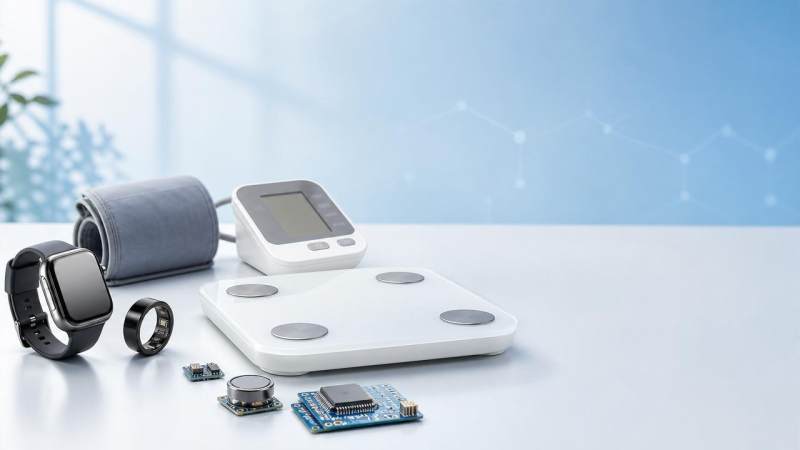
Understanding your health metrics can help you make smarter daily choices, spot early warning signs, and measure real progress beyond the number on a scale. From resting heart rate and sleep quality to recovery trends, blood pressure, and activity levels, the right data can turn everyday fitness into a clearer picture of long-term well-being. This guide explains which metrics matter most, how to track them simply, and how to use them to support better energy, resilience, and health decisions.
For consumers, the challenge is no longer access to data. Smartwatches, rings, connected scales, blood pressure cuffs, and fitness apps can generate dozens of readings every day.
The real challenge is knowing which health metrics are useful, which are noisy, and how to turn patterns into better decisions without overreacting to one bad reading.
At Global Intelligent Factory & Automation, precision, benchmarking, and risk reduction are central engineering principles. The same mindset helps individuals evaluate personal wellness data more intelligently.
Why Health Metrics Matter in a Data-Driven Lifestyle
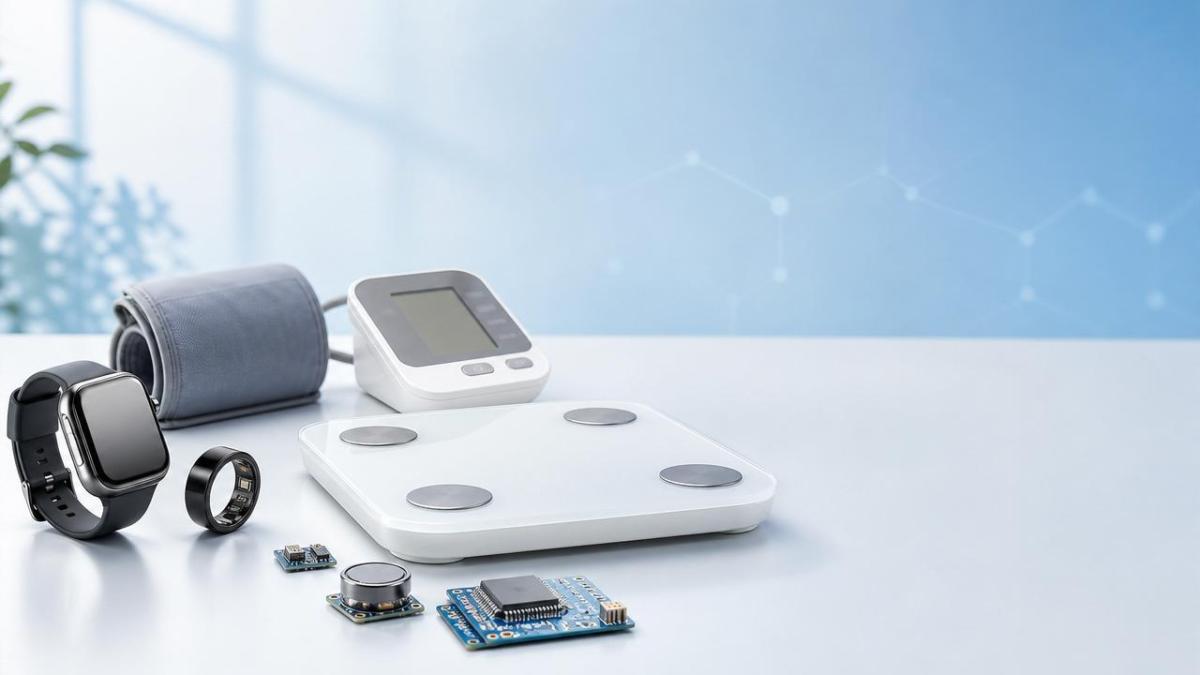
Health metrics are measurable signals that describe how your body is functioning, adapting, and recovering. They include daily activity, cardiovascular response, sleep, and metabolic indicators.
A single number rarely tells the full story. A 7-day trend is more useful than one isolated reading, and a 30-day view is stronger for decisions.
From Guesswork to Measurable Feedback
Many people judge fitness by weight alone. That approach misses cardiovascular adaptation, sleep debt, hydration shifts, stress load, and recovery capacity.
Health metrics provide feedback similar to an industrial control dashboard: not perfect, but valuable when readings are consistent, calibrated, and interpreted in context.
For example, a lower resting heart rate over 8 to 12 weeks may suggest improved aerobic fitness, assuming sleep and illness are not distorting the signal.
The Risk of Tracking Too Much
Too many dashboards can create confusion. Consumers may track 20 indicators while ignoring the 5 health metrics most connected to daily energy and risk.
A practical tracking system should be simple enough to maintain for 90 days, yet complete enough to reveal recovery, workload, and warning signs.
A Better Starting Point
- Track 4 to 6 core health metrics before adding advanced measurements.
- Review trends weekly rather than reacting to every daily fluctuation.
- Use medical-grade devices for blood pressure or glucose when accuracy matters.
- Discuss abnormal readings with a qualified healthcare professional.
The goal is not constant self-surveillance. The goal is better decision quality, especially around training load, sleep habits, stress management, and preventive care.
Core Health Metrics to Track for Risk, Recovery, and Fitness
The best health metrics are actionable, repeatable, and easy to compare over time. They should help answer whether your body is stable, stressed, or improving.
A balanced dashboard usually combines 3 categories: cardiovascular indicators, recovery signals, and daily behavior metrics such as movement, sleep, and consistency.
The table below summarizes practical health metrics, common tracking methods, and how consumers can interpret changes without making unsupported medical conclusions.
The key conclusion is simple: health metrics become useful when they show direction. Your baseline, measurement routine, and trend window matter more than perfection.
Cardiovascular Signals
Resting heart rate, blood pressure, and exercise heart rate response are among the most practical health metrics for everyday cardiovascular awareness.
If your usual resting heart rate rises 5 to 10 beats per minute for several days, consider sleep debt, infection, dehydration, alcohol, or excess training.
Recovery and Readiness Signals
Recovery health metrics help you avoid pushing hard when your body is already under load. Sleep, HRV, soreness, and mood are useful together.
A simple readiness score can use 3 inputs: sleep quality, resting heart rate variation, and perceived fatigue on a 1 to 5 scale.
Daily Fitness and Behavior Metrics
Daily movement, active minutes, strength sessions, and mobility work translate intention into measurable behavior. These metrics are easier to control than biomarkers.
For most adults, a practical baseline is 150 minutes of moderate activity weekly, plus 2 strength sessions, adjusted for ability and medical guidance.
How to Track Health Metrics Without Creating Data Noise
Tracking quality depends on repeatability. In manufacturing, uncontrolled variables weaken process data; in personal health, inconsistent timing weakens your health metrics.
A wearable may be useful for trends, while a clinically validated device may be needed for decisions involving blood pressure or medical follow-up.
Build a 5-Step Tracking Routine
- Select 4 to 6 health metrics that match your goal: risk, recovery, fitness, or energy.
- Measure at consistent times, such as morning resting values or post-workout recovery checks.
- Record context, including illness, travel, alcohol, high stress, or unusually hard exercise.
- Review trends every 7 days and compare them with a 30-day baseline.
- Adjust one behavior at a time, then observe the effect for 2 to 4 weeks.
This structure reduces false alarms. It also helps identify which habits actually change your health metrics rather than simply adding more data.
Choose Devices Like You Would Choose Measurement Equipment
Consumers often buy devices based on design or app popularity. A better approach considers sensor reliability, battery life, export options, and data transparency.
G-IFA’s industrial perspective highlights a useful principle: measurement systems must be benchmarked against standards, not judged only by dashboard appearance.
For personal health metrics, look for clear methodology, calibration guidance, privacy controls, and compatibility with your preferred health ecosystem.
Consumer Device Evaluation Checklist
- Battery life of at least 3 to 7 days for uninterrupted trend tracking.
- Clear distinction between estimated values and directly measured values.
- Data export or integration with major health platforms.
- Comfortable daily wear, especially during sleep and exercise.
- Privacy settings for cloud storage, sharing, and third-party access.
A device that is worn consistently is more valuable than a feature-rich tracker abandoned after 10 days because it is uncomfortable or confusing.
Using Health Metrics to Manage Risk and Recovery
Health metrics support better choices when connected to clear thresholds. They should guide attention, not replace clinical diagnosis or professional care.
Risk tracking is especially useful for adults managing stress, sedentary work, family history, weight change, or returning to exercise after a long break.
Early Warning Patterns to Watch
One abnormal reading may be measurement error. A pattern across 3 to 5 days deserves more attention, especially when symptoms are present.
For example, rising resting heart rate, poor sleep, and lower training tolerance together may suggest accumulated fatigue or an approaching illness.
Practical Red Flags
- Blood pressure readings repeatedly outside your clinician’s recommended range.
- Resting heart rate unusually elevated for more than 3 consecutive mornings.
- Sudden exercise intolerance, dizziness, chest discomfort, or breathlessness.
- Persistent sleep disruption lasting more than 2 weeks.
These patterns should prompt caution. When symptoms are severe or unusual, seek medical help rather than waiting for more health metrics to accumulate.
Recovery Decisions Based on Simple Rules
Recovery tracking is most useful when it changes behavior. If your readiness signals are poor, reduce intensity before your body forces a break.
A practical 3-level system works well: green for normal training, yellow for lighter sessions, and red for rest or mobility only.
The following table connects common health metrics with sensible actions. It is designed for consumer decision support, not medical diagnosis.
The strongest insight is that health metrics work best in combinations. One signal informs; several aligned signals guide smarter decisions.
Turning Daily Fitness Data Into Long-Term Progress
Daily fitness data becomes meaningful when it supports a repeatable improvement cycle. Measure, adjust, recover, and reassess every 2 to 4 weeks.
Progress can appear as better endurance, lower perceived effort, faster recovery, improved sleep consistency, or more stable blood pressure readings.
Set Goals by Outcome and Input
Outcome goals are results, such as improving a 5-kilometer time or reducing waist measurement. Input goals are daily actions you control.
Effective tracking links both. For example, record 3 weekly cardio sessions, 2 strength sessions, and a 10-minute evening wind-down routine.
Examples of Actionable Fitness Targets
- Walk 7,000 to 10,000 steps on most days, adjusted for age and ability.
- Complete 2 resistance sessions weekly with progressive load or repetitions.
- Keep sleep and wake times within a 60-minute window on weekdays.
- Review health metrics every Sunday and select one behavior to improve.
This method prevents data overload. Each health metric supports a behavior, and each behavior supports a measurable wellness objective.
Avoid Common Interpretation Mistakes
Consumers often compare their metrics with influencers, friends, or generic charts. Personal baselines are more reliable than broad comparisons.
Another mistake is chasing perfect scores. Sleep, HRV, and readiness scores are estimates, and normal life includes travel, stress, and variation.
Treat health metrics as a decision support system. They should encourage better routines, not create anxiety or rigid behavior.
What Consumers Can Learn From Industrial Benchmarking
Industrial automation relies on measurement discipline. Sensors, control systems, robotics, and software must produce reliable data before teams trust the output.
G-IFA benchmarks automation technologies across robotics, PLC and control systems, motion control, industrial software, and pneumatic or hydraulic platforms.
Although personal wellness differs from a factory line, the logic is similar: better data quality supports better risk control and more confident decisions.
Apply Benchmark Thinking to Personal Health Data
First, define the purpose. Are you tracking health metrics to manage risk, improve fitness, monitor recovery, or maintain energy during demanding work?
Second, validate the measurement method. Use consistent placement, timing, and device settings, just as engineers standardize sensor installation and calibration.
Third, compare against your own baseline. A 4-week moving average is often more useful than a single daily value.
Data Privacy and Platform Choice
Health metrics are sensitive. Before choosing a wearable or app, review storage location, account security, data sharing settings, and deletion options.
A practical rule is to review permissions every 6 months, especially when connecting fitness apps, nutrition tools, smart scales, or insurance-related platforms.
Questions Before Adopting a Platform
- Can I export my health metrics if I change devices?
- Does the app explain how scores are calculated?
- Are privacy settings easy to find and update?
- Does the platform separate wellness guidance from medical claims?
Consumers should prefer tools that make uncertainty visible. Clear explanations are more valuable than attractive charts without context.
A Practical 30-Day Health Metrics Plan
A 30-day plan is long enough to show patterns and short enough to remain manageable. It also reduces the pressure of daily perfection.
Start with a baseline week. Do not change everything at once. Measure your current routine before adjusting sleep, exercise, or nutrition habits.
Week-by-Week Framework
- Week 1: Establish baseline readings for resting heart rate, sleep, activity, and mood.
- Week 2: Add one habit, such as a fixed bedtime or 20-minute daily walk.
- Week 3: Review health metrics and adjust training intensity based on recovery signals.
- Week 4: Compare trends, identify strongest improvement, and set the next 30-day target.
This plan works because it connects data to action. You are not collecting numbers; you are testing which habits improve resilience.
When to Seek Professional Guidance
Health metrics can support conversations with clinicians, coaches, or wellness professionals. Bring trend summaries, not just screenshots of isolated readings.
If you have a medical condition, take medication, are pregnant, or experience symptoms, ask a qualified professional before changing training intensity.
For manufacturers, system integrators, and digital health solution teams, the same disciplined approach applies when evaluating sensors, platforms, and connected ecosystems.
Make Better Decisions With Reliable Health Metrics
Health metrics matter because they turn daily choices into visible patterns. Used well, they clarify risk, recovery, fitness progress, and lifestyle consistency.
The most useful system is not the most complex one. It is the system you can measure consistently, interpret calmly, and act on responsibly.
G-IFA’s commitment to verifiable data, engineering integrity, and benchmark-driven decision-making offers a valuable lens for evaluating connected health and automation technologies.
If your organization is exploring smart devices, sensor-based platforms, or automation-grade data systems, contact G-IFA to learn more solutions and discuss practical evaluation criteria.
Recommended News
- 2026/06/15Wearable Technology in Healthcare: Devices, Benefits, and Data Accuracy LimitsWearable technology in healthcare improves remote monitoring, recovery tracking, and chronic care. Discover key benefits, real-world device uses, and data accuracy limits before adoption.
- 2026/06/15Bathroom Fixtures Buying Guide: Materials, Finishes, and Installation FactorsBathroom fixtures buying guide covering brass, stainless steel, popular finishes, and installation factors. Compare durability, maintenance, and fit to choose smarter and avoid costly remodel mistakes.
- 2026/06/15FSC Certified Paper Sourcing: What Buyers Should Check Before Placing OrdersFSC certified paper sourcing starts with smart verification. Learn what buyers should check on certificates, chain of custody, specs, costs, and supply risks before placing orders.