
Search News
Industry Portal
Popular Tags
Production Automation in Assembly Lines: Where It Improves Throughput Most
Author
Lina Cloud
Time
Jun 12, 2026
Pageviews
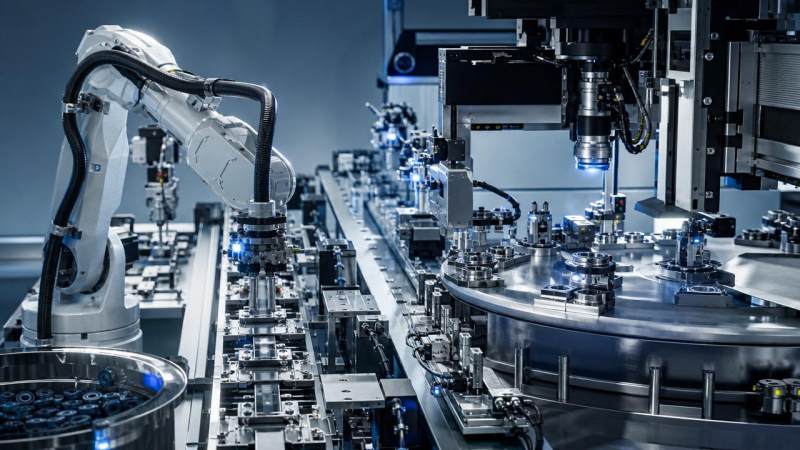
Production Automation in Assembly Lines: Where It Improves Throughput Most
Production automation delivers the strongest throughput gains when it targets real constraints, not just visible labor-heavy tasks.
That matters because many assembly lines lose output in micro-stops, changeovers, inspection delays, and material imbalance.
In practice, production automation works best where cycle time variance, repetitive handling, and quality risk overlap.
The most effective investments usually combine robotics, controls, motion systems, and software visibility around one measurable bottleneck.
Why Throughput Gains Often Start With Bottleneck Mapping
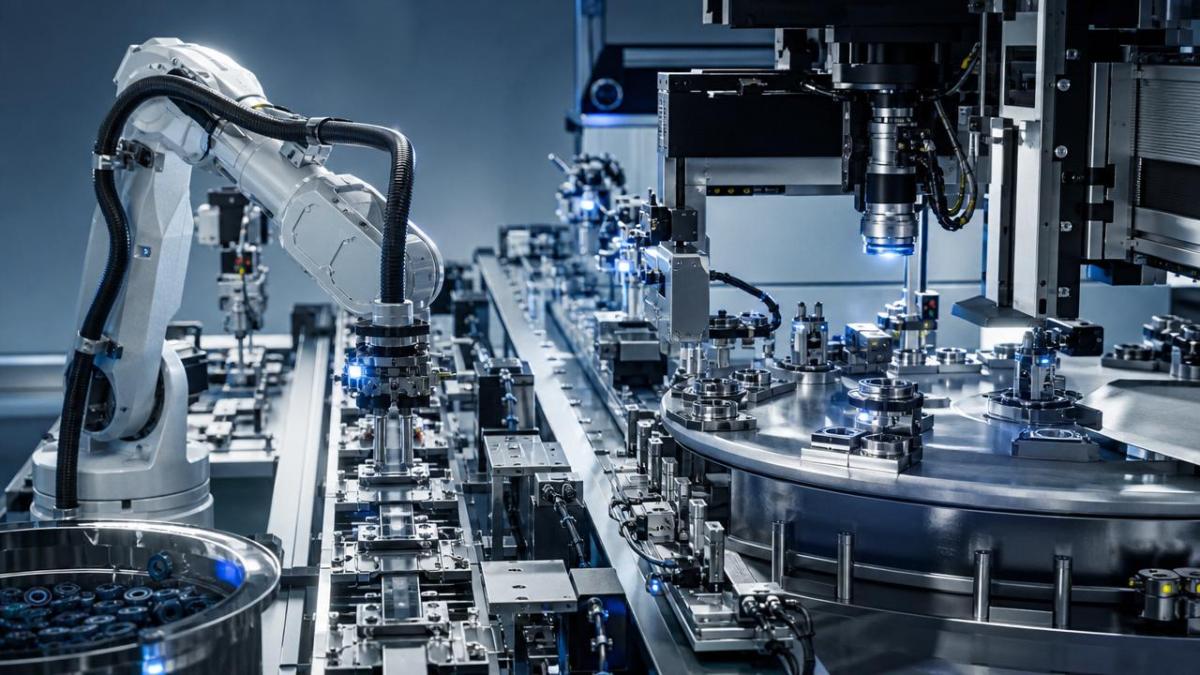
Before adding production automation, the first question is simple: where does the line actually wait?
A line may look slow at final assembly, yet the real loss can come from upstream feeding or downstream rework.
This is why high-value production automation begins with time studies, OEE trends, reject patterns, and buffer analysis.
From a decision standpoint, three indicators usually reveal the best automation target.
- Cycle time swings between operators or shifts
- Frequent short stops that block downstream flow
- Quality checks that slow release of finished units
When these signals appear together, production automation usually produces faster and more stable output than isolated labor replacement.
This also reduces project risk, because the business case is tied to a proven throughput constraint.
Material Handling and Part Feeding Usually Deliver the Earliest Wins
In many assembly environments, the first high-impact use of production automation is not the core joining step.
It is part feeding, transfer, orientation, sorting, and in-station material presentation.
These tasks seem simple, yet they often create hidden idle time across several stations.
A robotic pick-and-place cell, servo indexing table, or vision-guided feeder can remove that waiting.
The result is not only higher speed. It is also more predictable station loading and smoother line balancing.
This matters especially in mixed-model production, where manual feeding errors multiply with SKU variety.
Production automation in feeding areas improves throughput most when parts are small, repetitive, or difficult to orient consistently.
Typical gains from automating feeding steps
- Lower operator walking and reaching time
- Fewer missing-part interruptions
- More consistent part orientation at entry
- Better synchronization with downstream cycle times
For many lines, this is where production automation starts paying back sooner than expected.
Repetitive Assembly Stations Gain Speed When Precision and Repeatability Matter
The next major opportunity sits inside the assembly cycle itself.
Screwdriving, dispensing, press-fitting, clipping, soldering, and sealing are ideal production automation candidates.
These stations affect throughput because manual variation slows the line and creates downstream defects.
When torque, force, position, or dispense volume must stay tight, automation removes hesitation and rework.
That is where robotics, PLC control, servo motion, and sensor feedback work together best.
More importantly, production automation at these stations converts tribal operator knowledge into repeatable process logic.
This creates stable cycle times across shifts, plants, and product variants.
Where assembly automation improves throughput most
- Fastening tasks with traceable torque requirements
- Adhesive or sealant application with strict repeatability
- Multi-step joining processes with frequent handling delays
- Stations where rework loops block line flow
If one station determines takt attainment, this form of production automation often becomes the throughput lever with the clearest ROI.
Inspection and Traceability Automation Unlock Hidden Capacity
A common mistake is treating inspection as a quality investment only.
In reality, inspection-focused production automation often improves throughput by accelerating release decisions.
Vision systems, in-line sensors, barcode tracking, and MES connectivity reduce manual checks and paperwork delays.
That means fewer hold points, fewer disputed defects, and faster root-cause isolation when problems appear.
More importantly, production automation here stops bad parts from consuming valuable downstream capacity.
This is especially powerful in sectors with high compliance pressure or costly recall exposure.
When quality and speed must improve together, this layer of production automation is often underestimated.
Changeovers, Line Balancing, and Digital Control Drive Lasting Throughput
The biggest throughput improvement is not always raw cycle speed.
Sometimes it comes from recovering lost time between batches, models, or work orders.
Production automation can shorten changeovers through recipe control, auto-adjusting tooling, and guided setup sequences.
That is increasingly valuable as manufacturers move toward high-mix, lower-volume production.
At the same time, software visibility matters just as much as hardware speed.
MES integration, machine data capture, and alarm analytics show where throughput is being lost minute by minute.
Without that visibility, production automation risks solving yesterday’s constraint instead of today’s one.
Practical priorities for scalable deployment
- Map losses by station, shift, and product variant.
- Automate the narrowest and most expensive constraint first.
- Add traceability to verify the throughput result.
- Standardize controls and data models for future expansion.
- Review changeover time as closely as cycle time.
This approach creates a stronger investment path than buying disconnected equipment for isolated tasks.
It also supports cleaner scaling across multiple lines and sites.
How to Prioritize Production Automation With Lower Risk
The most reliable production automation strategy starts with one operational truth.
Throughput improves most where waiting, variation, and quality losses meet inside the same process window.
For many assembly lines, that means part feeding first, repetitive joining second, and in-line inspection close behind.
From there, changeover automation and digital control make the gains sustainable rather than temporary.
In real projects, the best results come from validated data, not assumptions about where labor appears busiest.
That is exactly why benchmarking matters.
With cross-sector insight into robotics, PLC platforms, motion systems, industrial software, and fluid power, G-IFA helps turn production automation decisions into lower-risk engineering choices.
The next smart move is to rank constraints, quantify lost throughput, and match each bottleneck to the right automation layer.
That is where production automation stops being a concept and starts becoming measurable output.
Recommended News
- 2026/06/24Industrial Coatings Explained: How to Match Coating Type to Corrosion and Wear ConditionsIndustrial coatings explained: learn how to match coating systems to corrosion, abrasion, chemicals, and wear conditions for longer asset life and smarter maintenance decisions.
- 2026/06/24Lithium Battery Storage for Off-Grid Applications: What to Size and Compare Before BuyingLithium battery storage for off-grid applications: learn how to size usable capacity, compare cycle life, BMS, safety, and true lifetime cost before you buy.
- 2026/06/24Office Decor Ideas for Small Workspaces: Layout, Lighting, and Storage TipsOffice decor ideas for small workspaces: discover practical layout, lighting, and storage tips to create a cleaner, more efficient desk setup that looks polished and works better every day.