
Search News
Industry Portal
Popular Tags
When do CRM systems stop helping sales teams?
Author
Lina Cloud
Time
May 31, 2026
Pageviews
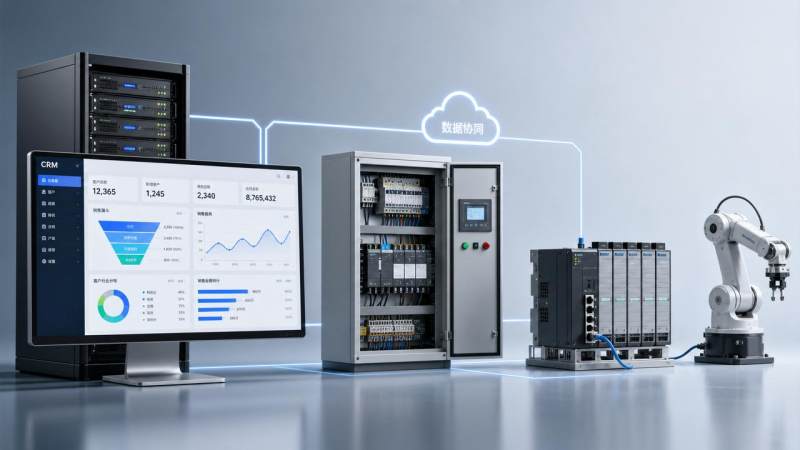
CRM systems are meant to create visibility, discipline, and predictable revenue—but for many sales teams, they eventually become administrative bottlenecks instead of performance engines.
When data quality declines, workflows fail to match real buying processes, or automation adds complexity without insight, decision makers must reassess platform value.
In industrial and automation markets, long sales cycles, technical evaluations, and cross-functional stakeholders make this question especially important.
When do CRM systems stop helping sales teams?
CRM systems stop helping when the effort required to maintain them exceeds the commercial insight they produce.
A useful platform clarifies pipeline health, account history, technical requirements, and next actions. A failing one hides risk behind forms and dashboards.
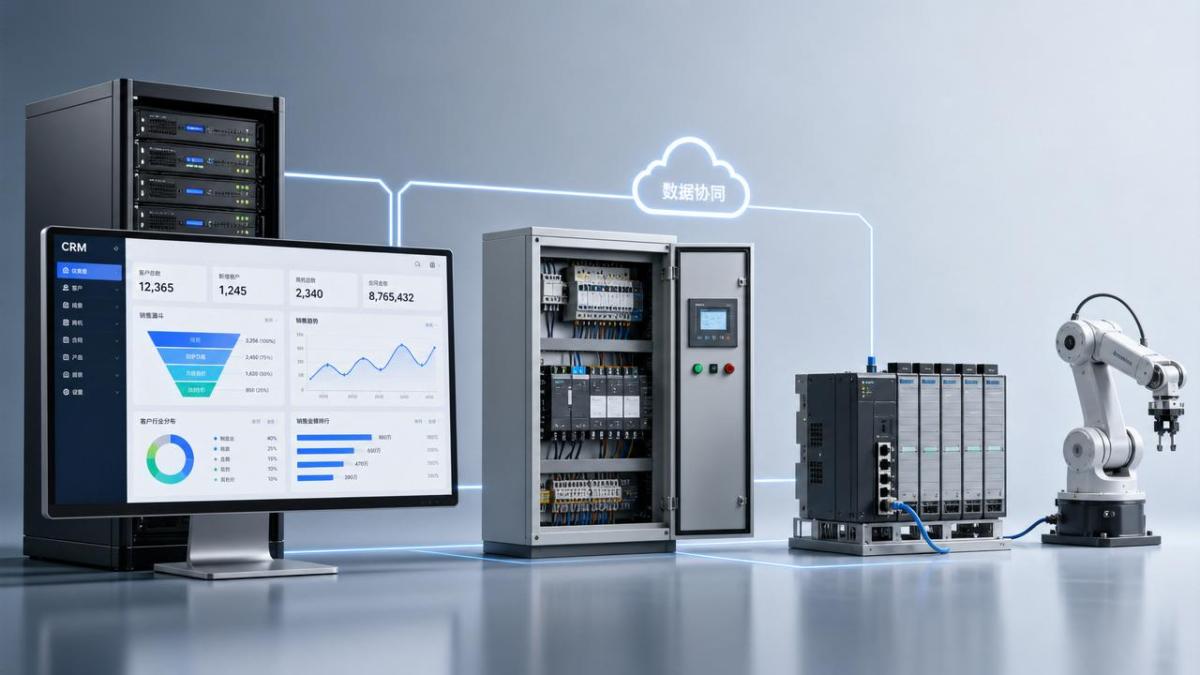
The issue is rarely the software alone. It is usually a mismatch between CRM systems, sales process design, data governance, and customer buying behavior.
In complex sectors, a deal may involve engineering validation, compliance review, pilot testing, integration planning, and commercial negotiation.
If CRM systems only track generic opportunity stages, they fail to reflect the real journey from technical interest to approved project.
Core warning signs
- Sales activity increases, but forecast accuracy does not improve.
- Teams update records after meetings, not before decisions.
- Dashboards look complete, yet critical deal risks remain invisible.
- Automation creates reminders, but not better prioritization.
- Pipeline stages describe internal reporting, not buyer progress.
Why do CRM systems become administrative burdens?
CRM systems become burdensome when they are designed mainly for management reporting instead of daily selling decisions.
Too many mandatory fields, duplicated notes, rigid approval flows, and irrelevant activity logs discourage accurate updates.
This creates a quiet productivity leak. The platform remains active, but its commercial value declines.
In automation projects, the burden can be worse. Opportunities often require technical drawings, controller specifications, robotic cell layouts, and integration dependencies.
If CRM systems cannot capture structured technical information, teams push details into emails, spreadsheets, and private documents.
The result is fragmented knowledge. A pipeline may look organized, while the actual decision evidence remains outside the platform.
Common causes of burden
- Fields are added without removing outdated ones.
- Stage definitions are unclear or interpreted differently.
- Reports demand precision that the process cannot support.
- CRM systems are not integrated with ERP, MES, quotation, or support tools.
- Automation triggers alerts without ranking urgency or business impact.
How can poor CRM data damage forecast accuracy?
CRM systems depend on data quality. When data is incomplete, outdated, or subjective, forecast confidence collapses.
A common problem is “optimistic pipeline inflation.” Opportunities remain open because no one wants to lose visible value.
Another issue is activity confusion. Many calls and emails may suggest momentum, while no technical approval has occurred.
In industrial automation, this gap is critical. A project can be commercially attractive but technically blocked by layout, safety, PLC compatibility, or integration limits.
If CRM systems cannot distinguish interest from validated feasibility, revenue projections become unreliable.
Data quality questions to ask
- Is the opportunity stage based on buyer evidence?
- Is the expected close date updated using real project milestones?
- Are technical risks recorded in a searchable structure?
- Can forecast changes be explained without offline spreadsheets?
- Do CRM systems separate qualified demand from early curiosity?
If the answer is often no, the platform may still store information, but it no longer guides decisions.
When does CRM automation create more complexity than value?
Automation helps when it reduces friction, improves timing, or surfaces useful patterns. It fails when it multiplies noise.
Many CRM systems include automated reminders, lead scoring, task creation, and email workflows. These tools are valuable only when rules mirror reality.
If every inquiry receives similar priority, automation does not improve focus. It simply accelerates low-value activity.
In technical selling, automation must account for project type, engineering readiness, budget stage, installed equipment, and compliance requirements.
For example, a request involving servo motor replacement is different from a full robotic line redesign.
CRM systems that treat both as identical leads weaken prioritization and overload follow-up queues.
Useful automation versus harmful automation
How do CRM systems fail in long industrial sales cycles?
Long-cycle opportunities expose weak CRM design faster than transactional selling does.
A factory automation project may move through discovery, feasibility, simulation, budgeting, supplier comparison, pilot validation, and final procurement approval.
If CRM systems force this journey into three or four simple stages, risk becomes invisible.
A deal may sit at “proposal” for months because the real work is happening in engineering review.
Without milestone tracking, the platform cannot explain delay, probability, or required support.
Better questions for long-cycle deals
- Has the technical problem been clearly defined?
- Has the proposed solution passed feasibility screening?
- Are safety, ISO, IEC, CE, or site standards relevant?
- Is integration with PLC, MES, ERP, or IIoT architecture required?
- Is budget approval tied to a scheduled production upgrade?
CRM systems should support these questions through fields, checklists, attachments, and stage gates.
If they do not, long-cycle opportunities become narrative-based instead of evidence-based.
What should be reviewed before replacing CRM systems?
Replacing CRM systems is not always the correct first move. Many problems come from configuration, governance, or process drift.
Before migration, review whether the existing platform can be simplified, integrated, or restructured around actual selling motions.
A replacement project without process redesign often recreates the same failure in a newer interface.
Decision checklist
The goal is not to own more software. The goal is to make CRM systems useful at the moment decisions are made.
How can CRM systems be restored as performance engines?
Restoring value starts with reducing friction and increasing decision quality.
The best CRM systems do not ask for every possible detail. They ask for the details that change action.
In industrial automation, that means connecting commercial status with technical readiness, compliance constraints, equipment fit, and project timing.
Practical improvement steps
- Map the real buying journey before changing fields.
- Define each pipeline stage using observable evidence.
- Separate commercial probability from technical feasibility.
- Integrate quotation, service, ERP, and project data where possible.
- Remove reports that do not influence action.
- Review automation quarterly for noise, duplication, and delay.
This approach turns CRM systems from passive databases into active operating tools.
It also supports more reliable benchmarking, especially when comparing opportunities across robotics, motion control, industrial software, and pneumatic systems.
FAQ: quick answers about CRM systems that stop helping
Conclusion: make CRM systems prove their value
CRM systems stop helping when they no longer improve clarity, timing, prioritization, or forecast confidence.
The platform may still contain activity, but activity alone is not performance.
For complex industrial and automation environments, CRM systems must reflect technical reality as well as commercial ambition.
A practical next step is to audit one full sales cycle from inquiry to closed outcome.
Compare what happened in reality with what CRM systems recorded, predicted, and triggered.
Any gap between those views is the roadmap for improvement, simplification, integration, or replacement.
Recommended News
- 2026/07/16Supply Chain Trends in Industrial Automation: What Buyers Should WatchSupply chain trends are reshaping industrial automation buying. Learn the key risks, resilience signals, and vendor factors buyers should watch before the next investment cycle.
- 2026/07/15Industrial IoT Systems Cost Breakdown: Hardware, Connectivity, Integration, and MaintenanceIndustrial IoT systems cost explained: discover the real breakdown across hardware, connectivity, integration, and maintenance to plan smarter budgets and improve ROI.
- 2026/07/15What Does Global Equipment Selection Support Include in Multi-Site Industrial Projects?Equipment selection support global helps multi-site industrial projects align standards, compliance, integration, and lifecycle support—reduce risk, improve scalability, and choose smarter across plants.