
Search News
Industry Portal
Popular Tags
How to avoid delays in automation engineering sourcing
Author
Dr. Isaac Logic
Time
May 25, 2026
Pageviews
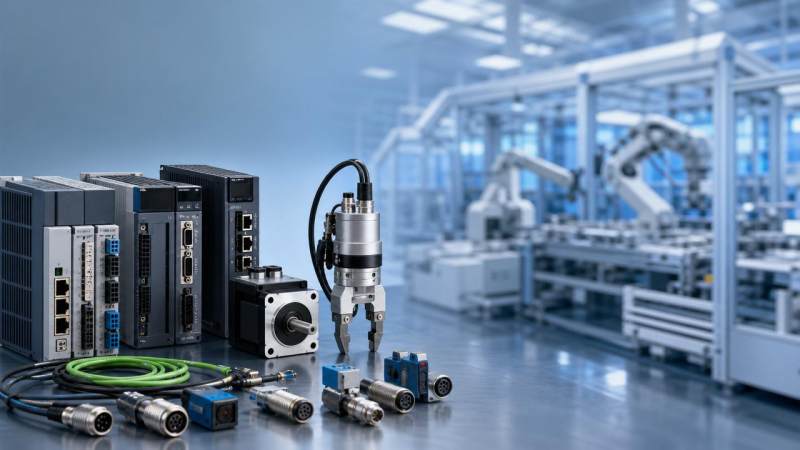
Delays in automation engineering sourcing can derail timelines, inflate costs, and create avoidable compatibility risks. In complex industrial projects, late component decisions often trigger redesign, retesting, and commissioning setbacks.
A disciplined automation engineering sourcing process reduces uncertainty across hardware, software, compliance, and integration. It also helps teams compare options faster and protect project performance with verifiable technical data.
For smart manufacturing programs, sourcing is not just buying parts. It is a technical validation workflow that connects PLC logic, motion control, robotics, industrial IoT, and safety standards into one delivery plan.
What causes delays in automation engineering sourcing?
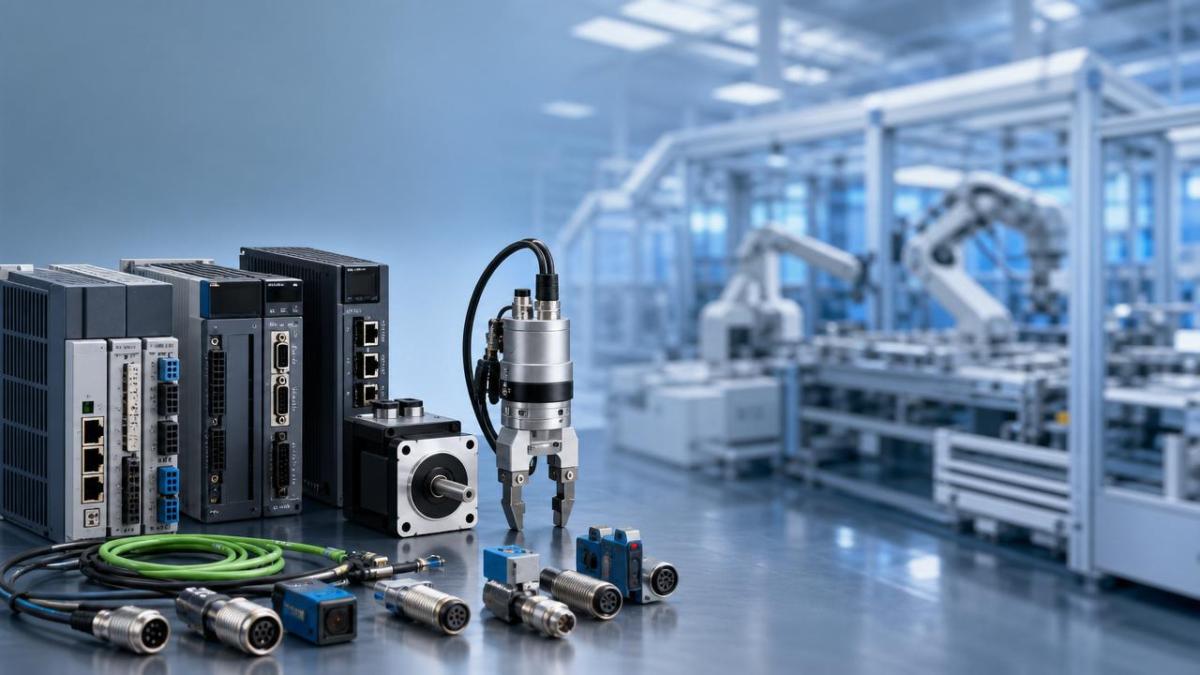
Most delays begin long before a purchase order is issued. The real problem is often incomplete technical definition, weak supplier comparison, or poor visibility into lead times and engineering dependencies.
In automation engineering sourcing, five root causes appear repeatedly:
- Specifications are vague or change after quotation.
- Electrical, mechanical, and software requirements are reviewed separately.
- Component availability is checked too late.
- Compliance documents are missing or unverified.
- Alternative models are not prequalified.
A servo motor may fit torque targets but fail communication compatibility. A robot may meet reach requirements but require different guarding, controller logic, or safety integration than originally planned.
These mismatches delay engineering approval, not just procurement. That is why automation engineering sourcing should start with system architecture, not price comparison alone.
How can technical specifications be defined early enough?
A faster process begins with a sourcing-ready technical package. This package should translate production goals into measurable engineering criteria before suppliers are asked to quote.
Useful specification categories include:
- Performance: cycle time, payload, speed, accuracy, duty cycle.
- Control: PLC brand, communication protocol, I/O count, motion profile.
- Software: MES/ERP interface, data tags, OPC UA, cybersecurity needs.
- Mechanical: footprint, mounting, environmental rating, maintenance access.
- Compliance: ISO, IEC, CE, safety category, local electrical rules.
This structure shortens clarification cycles. It also improves automation engineering sourcing by making quotations more comparable and reducing hidden engineering assumptions.
Where requirements are still flexible, define acceptable ranges instead of leaving gaps. For example, specify approved fieldbus options, equivalent servo classes, or alternate enclosure ratings.
A practical rule is simple: if a supplier must guess, delays will follow. Clarity early in automation engineering sourcing saves far more time than emergency revisions later.
How do you evaluate suppliers without slowing the project?
Speed does not require shallow review. It requires a consistent evaluation method that combines engineering fit, delivery reliability, and lifecycle support into one decision framework.
A balanced supplier assessment should review:
- Technical compatibility with the existing architecture.
- Document quality, drawings, manuals, and certification traceability.
- Real lead times, not brochure availability.
- Commissioning support and software integration capability.
- Spare parts continuity and version control stability.
In automation engineering sourcing, a lower unit price can be misleading. If startup support is weak or firmware changes are poorly managed, the total project delay can outweigh initial savings.
Cross-sector benchmark data is especially useful here. It helps verify whether a robotics platform, PLC family, or pneumatic assembly performs consistently across different industrial environments.
Shortlisting two approved alternatives per critical item is another strong safeguard. This is especially valuable for controllers, drives, sensors, and industrial software with longer supply volatility.
What should be checked for compatibility across automation systems?
Compatibility is where many sourcing plans fail. A component can be excellent on its own yet unsuitable inside a connected production line.
Automation engineering sourcing should verify compatibility at four levels:
- Electrical compatibility: voltage, current, protection, EMC behavior.
- Control compatibility: PLC language, protocol, response timing, diagnostics.
- Mechanical compatibility: space, alignment, vibration, thermal limits.
- Digital compatibility: data mapping, APIs, MES/ERP links, historian structure.
For Industry 4.0 applications, software compatibility deserves equal weight. A device with closed data access can limit traceability, predictive maintenance, and enterprise reporting.
Request interface matrices early. These matrices should list protocols, versions, cable standards, tag structures, safety signals, and controller dependencies for every major subsystem.
That single document can prevent weeks of integration confusion. It is one of the most effective tools in automation engineering sourcing for reducing late-stage technical surprises.
How can lead time and risk be managed more proactively?
Lead time is never just a logistics issue. It is tied to approvals, customization, firmware release schedules, factory testing windows, and site readiness.
A proactive automation engineering sourcing plan should separate items into three risk groups:
This approach keeps engineering attention focused where delays hurt most. It also helps sequence sourcing decisions around factory acceptance tests and software development milestones.
Another useful tactic is milestone-based release. Instead of waiting for the full design freeze, release long-lead items once critical interfaces are verified and documented.
Effective automation engineering sourcing treats time as a technical variable. The earlier risk is visible, the easier it becomes to protect commissioning dates.
What common mistakes should be avoided during sourcing decisions?
Several mistakes appear in both discrete manufacturing and process automation projects. They are preventable, but only when identified early.
- Choosing components before defining data and control architecture.
- Assuming equivalent models are truly interchangeable.
- Ignoring regional certification or utility differences.
- Reviewing hardware and software vendors in isolation.
- Treating documentation as an afterthought.
One frequent error in automation engineering sourcing is overtrusting generic datasheets. Real deployment depends on firmware compatibility, application notes, and integration behavior under actual loads.
Another mistake is failing to plan lifecycle continuity. If a part is close to obsolescence, the project may face support issues shortly after startup.
Good sourcing decisions balance immediate availability with long-term maintainability. That balance is essential in smart factories where uptime, data integrity, and serviceability matter equally.
FAQ: quick answers for faster automation engineering sourcing
Avoiding delays in automation engineering sourcing requires more than faster purchasing. It requires clear specifications, verified compatibility, supplier discipline, and visibility across the entire automation stack.
When sourcing is managed as an engineering decision process, projects move with fewer surprises and stronger technical confidence. That is especially important in connected factories shaped by robotics, controls, motion, industrial software, and compliance demands.
Use benchmark-driven validation, define alternatives early, and document interfaces before committing to critical components. Those steps can significantly improve automation engineering sourcing speed and reduce delivery risk.
For the next project phase, start by auditing long-lead items, interface requirements, and compliance documents. A structured review now can prevent costly sourcing delays later.
Recommended News
- 2026/10/24Car Spare Parts: How to Check Fitment and Avoid Ordering the Wrong PartOrder car spare parts with confidence. Learn how to verify VINs, OEM numbers, and fitment details to avoid costly mistakes and choose the right replacement first time.
- 2026/10/23How Do You Select a Motion Control System for Synchronized Axes?How do I select a motion control system for synchronized axes? Discover key timing, feedback, and performance checks to choose confidently and reduce costly integration risks.
- 2026/10/23Integrating End-of-Line Sortation with Packing Stations and Conveyor ControlsOptimize end of line sortation with coordinated packing stations and conveyor controls. Learn how to prevent bottlenecks, improve routing accuracy, and handle exceptions reliably.