
Search News
Industry Portal
Popular Tags
When does buying wholesale PLC modules really save money
Author
Dr. Isaac Logic
Time
May 21, 2026
Pageviews
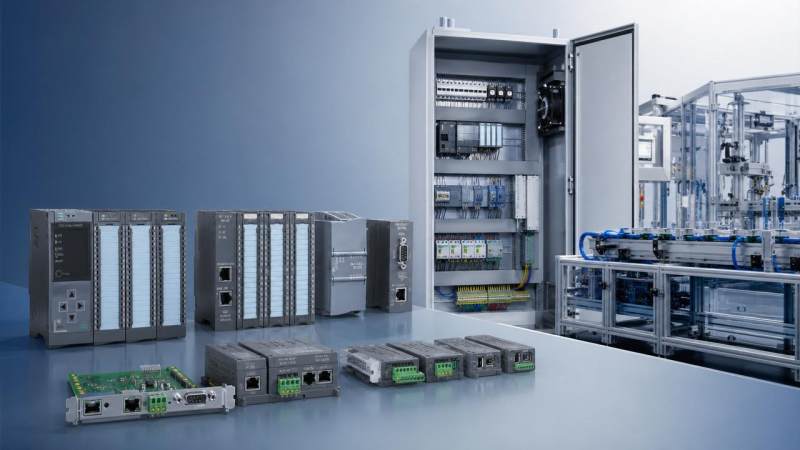
Buying a wholesale plc module can reduce unit cost, but real savings depend on more than the purchase price. For finance decisions, the bigger issue is total cost of ownership. A lower line-item price matters only if it also supports uptime, inventory stability, and predictable maintenance.
In smart manufacturing, every controller failure can stop output, delay shipping, and increase labor waste. That is why bulk buying deserves a closer look. The value of a wholesale plc module order often comes from reduced sourcing friction, standardization, and lower operational risk.
This guide explains when wholesale purchasing makes sense, when it does not, and how to compare price savings against hidden costs. It also reflects the data-focused perspective used in modern automation benchmarking.
What does buying a wholesale PLC module actually mean?
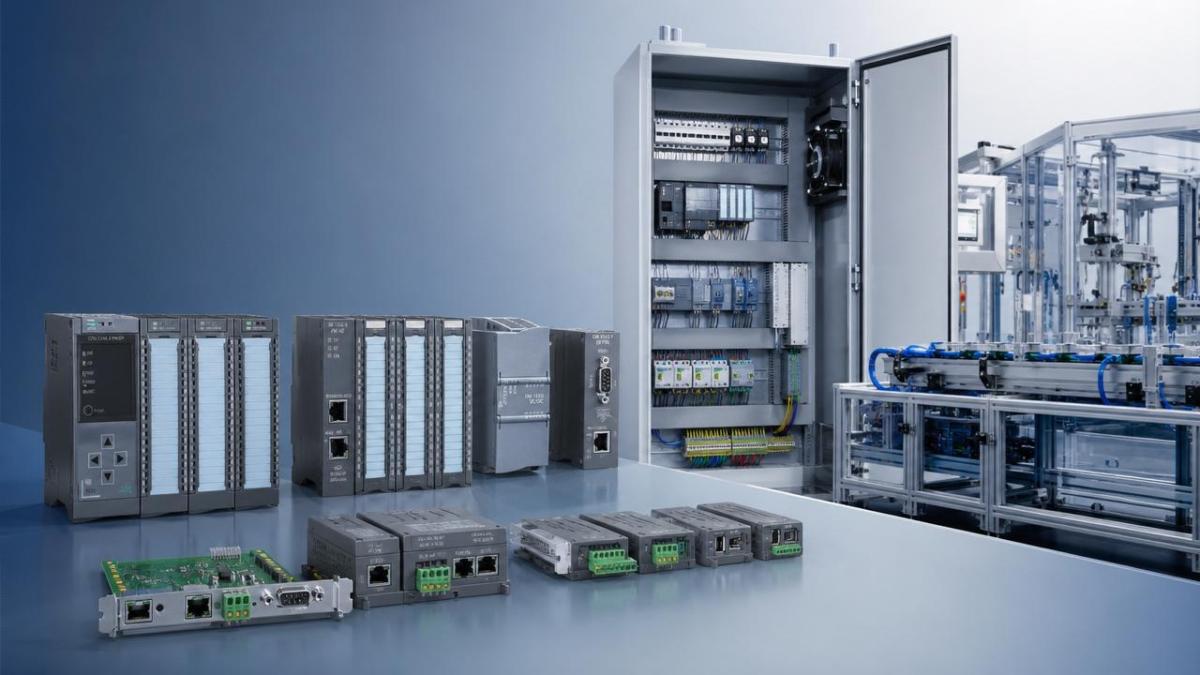
A wholesale plc module purchase usually means buying multiple units from one supplier under volume pricing. These modules may include CPU units, I/O modules, communication cards, power modules, or expansion components.
The idea sounds simple: buy more, pay less per unit. Yet in industrial automation, savings are tied to compatibility, lifecycle status, firmware consistency, and support quality.
Bulk orders work best when the modules support a standardized control platform. If several lines use the same PLC architecture, a shared stock of spare parts becomes easier to manage.
That operational context matters. A discounted wholesale plc module is not automatically cheaper if some units stay unused or become obsolete before deployment.
Why wholesale pricing attracts attention
- Lower unit price across repeated projects
- Fewer urgent spot purchases
- More consistent lead times
- Better leverage for service or warranty terms
- Cleaner standardization across facilities
When does a wholesale PLC module purchase save the most money?
The strongest savings appear when demand is stable and technical standards are clear. If a facility uses recurring module types across several production cells, volume procurement becomes easier to justify.
Savings are also stronger when downtime costs are high. A spare wholesale plc module on the shelf may prevent far more loss than the discount alone.
Best-fit situations
- Multi-line operations using the same PLC family
- Large retrofit programs with repeated bill-of-material needs
- System integration projects with phased installation schedules
- Maintenance strategies that rely on fast swap-out
- Regions with unstable lead times or import delays
For example, a packaging line that uses identical remote I/O modules across ten stations can benefit greatly. One wholesale plc module order supports both installation and maintenance needs.
In contrast, a custom line with unique control requirements may not consume stock fast enough. In that case, tied-up capital reduces the financial benefit.
Which hidden costs can cancel the discount?
The most common mistake is comparing only invoice price. A wholesale plc module strategy can fail if hidden costs rise faster than unit savings.
Key hidden costs to evaluate
- Obsolescence risk: stocked modules may be discontinued before use
- Storage conditions: poor humidity or electrostatic protection can damage electronics
- Firmware mismatch: mixed revisions can add commissioning work
- Compatibility issues: not every module suits every rack or CPU generation
- Cash flow pressure: money tied in slow-moving stock has opportunity cost
- Warranty timing: warranty may start before field installation
There is also supplier risk. If a low-price source offers limited traceability, the actual cost may rise through failures, return disputes, or missing certification records.
That is especially important in Industry 4.0 environments. Networked control systems require reliable components, stable protocols, and documented compliance with international standards.
How should you judge whether wholesale PLC module buying fits your operation?
A practical test is to compare annual usage, downtime exposure, and replenishment uncertainty. If all three are meaningful, a wholesale plc module strategy often performs well.
Use this decision checklist
This framework avoids a narrow cost view. It connects procurement choices to maintenance strategy, engineering fit, and line availability.
How does wholesale PLC module buying compare with spot purchasing?
Spot purchasing offers flexibility. It is useful when project scope changes often or when control architecture is still evolving. It reduces inventory burden, but it may raise urgency costs later.
A wholesale plc module plan is more structured. It works best where module demand can be forecast with reasonable confidence.
Side-by-side comparison
The right answer is not always one or the other. Many facilities use a hybrid model. Fast-moving modules are bought in bulk, while rare items remain on-demand.
What supplier checks reduce risk in a wholesale PLC module order?
Supplier qualification is central to real savings. A low-cost wholesale plc module source should still provide traceability, lifecycle transparency, and documentation quality.
Important checks before ordering
- Confirm part numbers, revisions, and firmware status
- Verify packaging, storage, and anti-static handling
- Request warranty terms tied to installation timing if possible
- Review certificates and applicable ISO, IEC, or CE references
- Check whether technical support exists after delivery
- Assess replacement policy for DOA or mismatch cases
This is where a benchmarking approach helps. Comparing hardware quality, compliance alignment, and support standards can reveal whether a discount is genuine value or just deferred risk.
FAQ: common questions about wholesale PLC module savings
A wholesale plc module order really saves money when it supports a broader control strategy. The best cases combine price advantage with higher uptime, simpler spares management, and lower sourcing uncertainty.
The wrong cases are easy to spot. If demand is unclear, lifecycle status is uncertain, or the supplier cannot prove consistency, the discount may disappear quickly.
Before placing a bulk order, map actual consumption, failure history, lead-time volatility, and compatibility across installed systems. Then compare those findings against the offered terms.
For automation environments shaped by Industry 4.0, disciplined evaluation matters more than headline price. A smart wholesale plc module decision should strengthen both financial control and production resilience.
Recommended News
- 2026/10/24Car Spare Parts: How to Check Fitment and Avoid Ordering the Wrong PartOrder car spare parts with confidence. Learn how to verify VINs, OEM numbers, and fitment details to avoid costly mistakes and choose the right replacement first time.
- 2026/10/23How Do You Select a Motion Control System for Synchronized Axes?How do I select a motion control system for synchronized axes? Discover key timing, feedback, and performance checks to choose confidently and reduce costly integration risks.
- 2026/10/23Integrating End-of-Line Sortation with Packing Stations and Conveyor ControlsOptimize end of line sortation with coordinated packing stations and conveyor controls. Learn how to prevent bottlenecks, improve routing accuracy, and handle exceptions reliably.