
Search News
Industry Portal
Popular Tags
Industrial Equipment Sizing Mistakes That Raise Energy Use Fast
Author
Robert Valve
Time
Apr 17, 2026
Pageviews
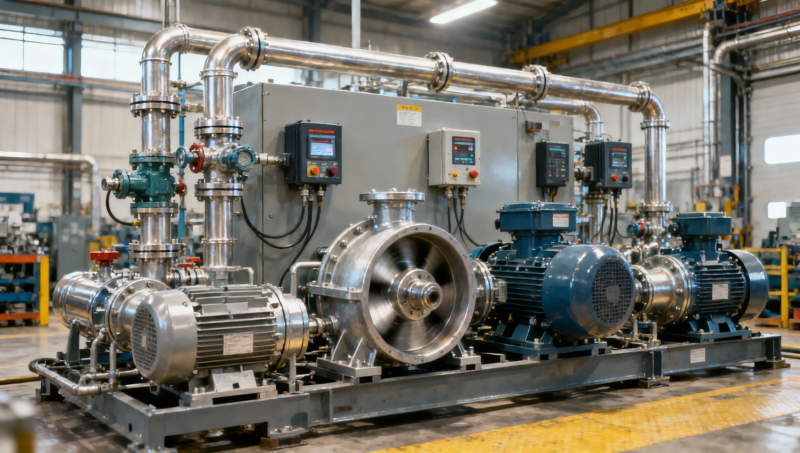
Sizing mistakes in industrial equipment can drive energy consumption up much faster than most teams expect. In practice, the problem is rarely one dramatic design error. It is usually a chain of small mismatches: motors selected with excessive safety margins, pumps running far from their best efficiency point, compressed air systems sized for peaks that almost never happen, or control loops tuned around oversized hardware. For information researchers and plant operators, the key takeaway is simple: poor sizing does not just waste electricity; it also reduces stability, increases maintenance, and weakens the return on automation investments.
In factory integration and intelligent manufacturing projects, the most costly sizing errors often happen early, when teams choose “bigger” to avoid risk. But oversized industrial machinery and automation components can create a different kind of risk: inefficient part-load operation, pressure losses, unnecessary cycling, and lower process precision. This article explains where equipment sizing goes wrong, how those mistakes raise energy use, and what to check before energy waste becomes built into the line.
Why equipment sizing errors increase energy use so quickly
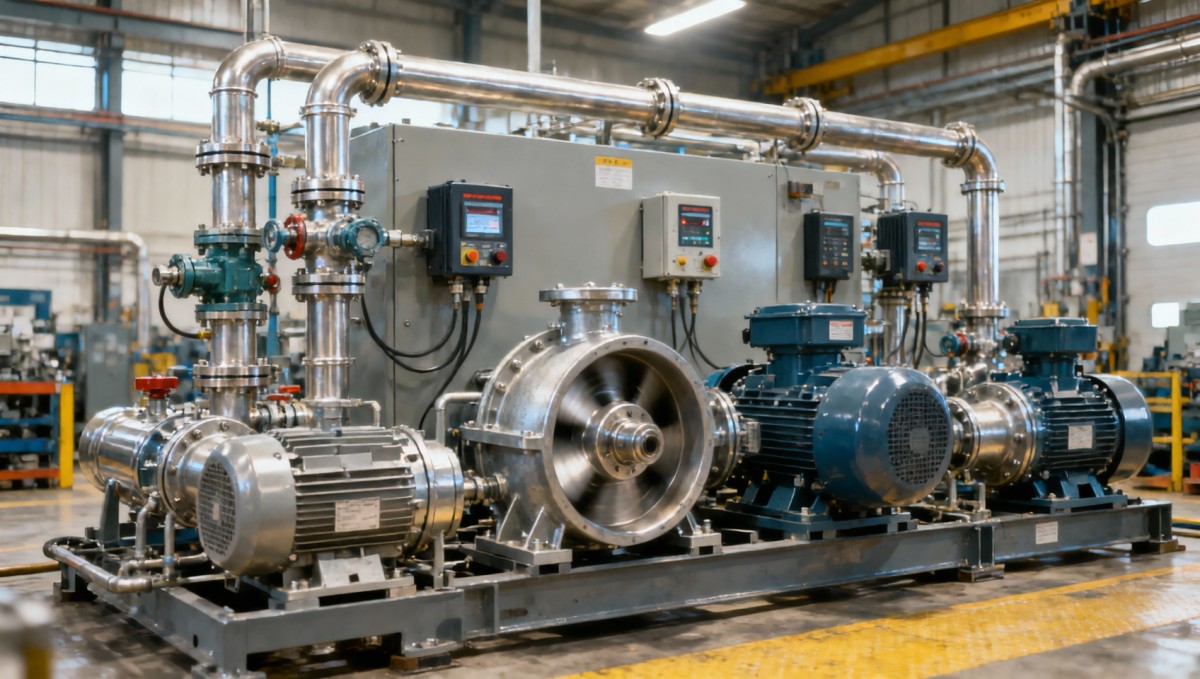
The core search intent behind this topic is practical: readers want to know which sizing mistakes cause energy waste, how to recognize them, and what to do before costs escalate across a production line. For operators and technical evaluators, the concern is not theory alone. They need to understand which errors appear most often in real industrial systems and how those errors affect both energy bills and production performance.
Energy use rises fast when equipment is sized far away from the real operating profile. Industrial systems rarely run at ideal full-load conditions all day. They start, stop, idle, ramp, and respond to varying demand. If a motor, pump, blower, compressor, actuator, or robotic subsystem is selected for an unrealistic maximum case, it may spend most of its life working inefficiently. That inefficiency then spreads through the system:
- Motors operate below their best efficiency zone.
- Variable speed drives compensate for poor mechanical selection.
- Control systems constantly throttle or cycle equipment.
- Pneumatic and hydraulic systems suffer pressure and flow losses.
- Thermal loads rise because excess power becomes waste heat.
In smart manufacturing environments, these effects become even more visible because connected systems expose the gap between installed capacity and actual usage. A line may appear advanced from an automation standpoint, but if the physical sizing is wrong, software intelligence can only limit the damage rather than eliminate it.
Which sizing mistakes most often waste energy in industrial environments
The biggest value for readers comes from identifying the mistakes that happen most often in purchasing, design, and integration. The following issues usually deserve more attention than generic discussions about “energy efficiency.”
Oversized motors and drives
Many teams intentionally oversize motors to create a safety buffer. Some margin is necessary, but too much margin often reduces efficiency at normal load. An oversized motor can also cost more upfront, require larger cables and protection devices, and create poor control behavior at low operating points. In servo and motion applications, excessive sizing may also increase inertia mismatch and degrade dynamic performance.
Pumps and fans selected for worst-case flow only
Pumps and fans are frequently chosen using peak demand assumptions rather than real duty cycles. When the actual process runs below that point, the system may rely on throttling valves, dampers, or bypass paths to control output. That means energy is consumed to produce flow or pressure that the process does not need. In many facilities, this single mistake can lock in long-term electrical waste.
Compressed air systems built around occasional peaks
Compressed air is one of the most expensive utilities in a factory. When compressors, air receivers, regulators, and distribution lines are sized around rare events instead of measured demand patterns, the result is unstable pressure, unload losses, leakage exposure, and inflated energy cost. Operators often experience this as “the system always needs more air,” when the real issue is poor sizing and poor storage strategy.
Hydraulic and pneumatic actuators with unnecessary force margins
Actuators are often selected with broad force allowances to avoid process failure. But excessive cylinder size or pressure specification can increase air or fluid consumption every cycle. Across high-cycle automation equipment, this adds up quickly. Larger actuators may also slow response or require additional control compensation.
Robotic and motion systems with mismatched load assumptions
In robotic arms, servo axes, conveyors, and transfer systems, sizing errors can show up as excessive installed power, unstable acceleration profiles, or poor regenerative energy management. If load mass, duty cycle, or required torque is misjudged, the entire motion package may consume more energy than needed while still failing to deliver the expected precision.
How to tell whether a system is oversized, undersized, or simply mismatched
Readers often do not just want a list of mistakes. They want a way to judge actual equipment already in operation. The most useful approach is to compare designed capacity with measured operating behavior.
Common signs of oversized equipment include:
- Motors running most of the time at low load percentages.
- Frequent cycling on and off rather than stable operation.
- Control valves or dampers staying heavily restricted.
- Compressor systems spending too much time unloaded.
- Repeated operator adjustments to stabilize output.
- High energy consumption without matching production gains.
Common signs of undersized equipment include:
- Continuous operation near maximum capacity.
- Overheating, pressure drops, or speed instability.
- Missed takt time or poor process response.
- Premature wear due to constant high-load operation.
However, many factory systems are not purely oversized or undersized. They are mismatched. That means one component may be overselected while another creates bottlenecks, forcing the system into inefficient control behavior. For example, a large pump paired with restrictive piping or a powerful servo paired with a poorly tuned gearbox can create waste that basic nameplate checks will not reveal.
What plant teams should check before buying or integrating new equipment
For target readers involved in research or operation, the most practical question is: what should be verified before a sizing decision becomes expensive? The answer is to validate actual operating conditions instead of relying only on catalog values or maximum-case assumptions.
1. Define the real duty cycle
Do not size only for peak load. Document average load, startup load, transient conditions, idle periods, and seasonal variation. Equipment should be selected around the real operating envelope, not a single extreme point.
2. Separate normal demand from exceptional demand
If a rare surge event drives the entire specification, consider whether it should be handled by storage, controls, buffering, sequencing, or short-term overload capability instead of permanently larger equipment.
3. Evaluate system-level losses
Energy waste often comes from the interaction between components, not from one machine alone. Check piping losses, pressure drops, transmission losses, leakage, thermal buildup, and control restrictions. A correctly sized machine can still perform poorly in a badly designed system.
4. Match hardware sizing to control strategy
Industrial control systems, PLC logic, variable frequency drives, and motion tuning should be considered during equipment selection, not afterward. Good automation solutions can improve efficiency, but only if the physical equipment is sized within a controllable range.
5. Ask for verified performance data
Where possible, compare supplier claims against tested efficiency curves, load-response data, and compliance with recognized standards such as ISO, IEC, and CE-related requirements. Benchmarking matters, especially for global sourcing decisions in Industry 4.0 projects.
Why “bigger is safer” is often the wrong engineering decision
One of the most persistent assumptions in industrial projects is that oversizing reduces risk. In reality, it often shifts risk from capacity shortage to hidden inefficiency. The result may look acceptable during commissioning but become expensive over years of operation.
An oversized system can create:
- Higher electricity and utility consumption
- More unstable process control
- Increased wear from cycling and off-design operation
- Larger installation footprint and infrastructure cost
- Lower long-term ROI on automation investments
For decision-makers and technical teams, the better engineering mindset is not “maximum capacity at all times,” but “best fit for the real process with controlled margin.” That is especially important in integrated manufacturing systems where robotics, motion control, software, pneumatics, and power systems influence one another.
How smarter automation solutions reduce waste from sizing mistakes
Not every sizing problem requires full equipment replacement. In some cases, better automation and system tuning can recover part of the lost efficiency. This is particularly relevant in modern intelligent manufacturing environments.
Useful corrective measures may include:
- Adding variable speed control to motors, pumps, and fans
- Re-tuning PLC and motion control parameters
- Sequencing multiple compressors or pumps more effectively
- Improving buffering and storage for variable demand systems
- Reducing pneumatic pressure to the true required level
- Using monitoring data to compare real load versus installed capacity
That said, software cannot fully fix poor hardware selection. The strongest results come when data transparency, control intelligence, and correct mechanical sizing are addressed together. This is where cross-functional benchmarking becomes valuable: production teams, integrators, and operators need a shared view of what the process truly requires.
Practical decision framework for researchers and operators
If you are comparing equipment options or reviewing an existing line, focus on a small set of high-value questions:
- What load does the process actually require most of the time?
- How often does the system operate far below or near maximum capacity?
- Is excess energy being lost through throttling, bypassing, leakage, or cycling?
- Does the control strategy depend on compensating for poor sizing?
- Can measured data confirm that installed equipment matches real production needs?
These questions help readers move from general concern to usable judgment. They also support better supplier comparison, lower lifecycle cost, and more reliable industrial automation decisions.
Industrial equipment sizing mistakes raise energy use fast because they affect the entire operating profile of a factory system, not just one component. Oversized motors, pumps, compressors, actuators, and robotic subsystems may look safer on paper, but they often create persistent waste, weaker control performance, and higher maintenance exposure. For information researchers and operators, the most important lesson is clear: accurate sizing is not a detail at the end of design. It is one of the earliest and most important drivers of energy efficiency, production stability, and automation ROI.
Before approving new equipment or accepting an integration design, validate duty cycles, confirm system losses, and compare actual process needs against installed capacity. In industrial automation, smarter sizing is often the fastest way to reduce waste before it becomes permanent.
Recommended News
- 2026/10/24Car Spare Parts: How to Check Fitment and Avoid Ordering the Wrong PartOrder car spare parts with confidence. Learn how to verify VINs, OEM numbers, and fitment details to avoid costly mistakes and choose the right replacement first time.
- 2026/10/23How Do You Select a Motion Control System for Synchronized Axes?How do I select a motion control system for synchronized axes? Discover key timing, feedback, and performance checks to choose confidently and reduce costly integration risks.
- 2026/10/23Integrating End-of-Line Sortation with Packing Stations and Conveyor ControlsOptimize end of line sortation with coordinated packing stations and conveyor controls. Learn how to prevent bottlenecks, improve routing accuracy, and handle exceptions reliably.