
Search News
Industry Portal
Popular Tags
What makes EV Charging costs vary by site?
Author
Lina Cloud
Time
May 31, 2026
Pageviews
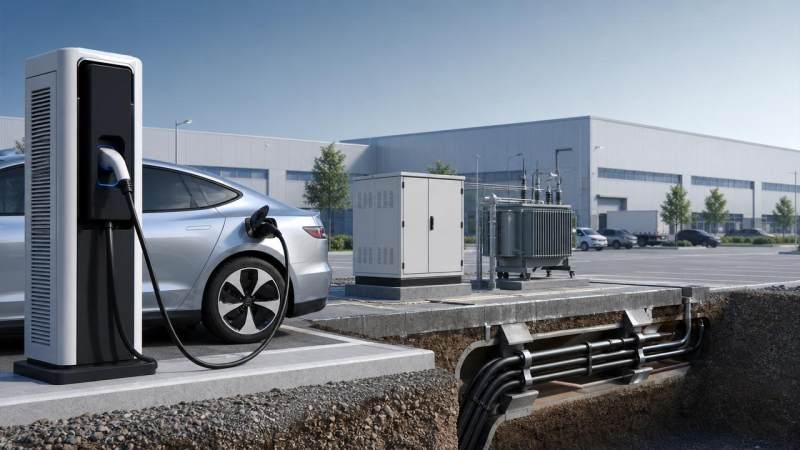
EV Charging costs can differ sharply from one location to another, even when the same chargers and vehicles are involved.
For business evaluators, these variations are rarely random. They reflect grid capacity, demand charges, utilization, installation complexity, software integration, maintenance, and local tariffs.
Understanding these drivers helps compare investment options, forecast ownership cost, and improve long-term EV Charging infrastructure performance through automation and data transparency.
What makes EV Charging costs vary by site?
The main reason is that every site connects to a different electrical, operational, and commercial environment.
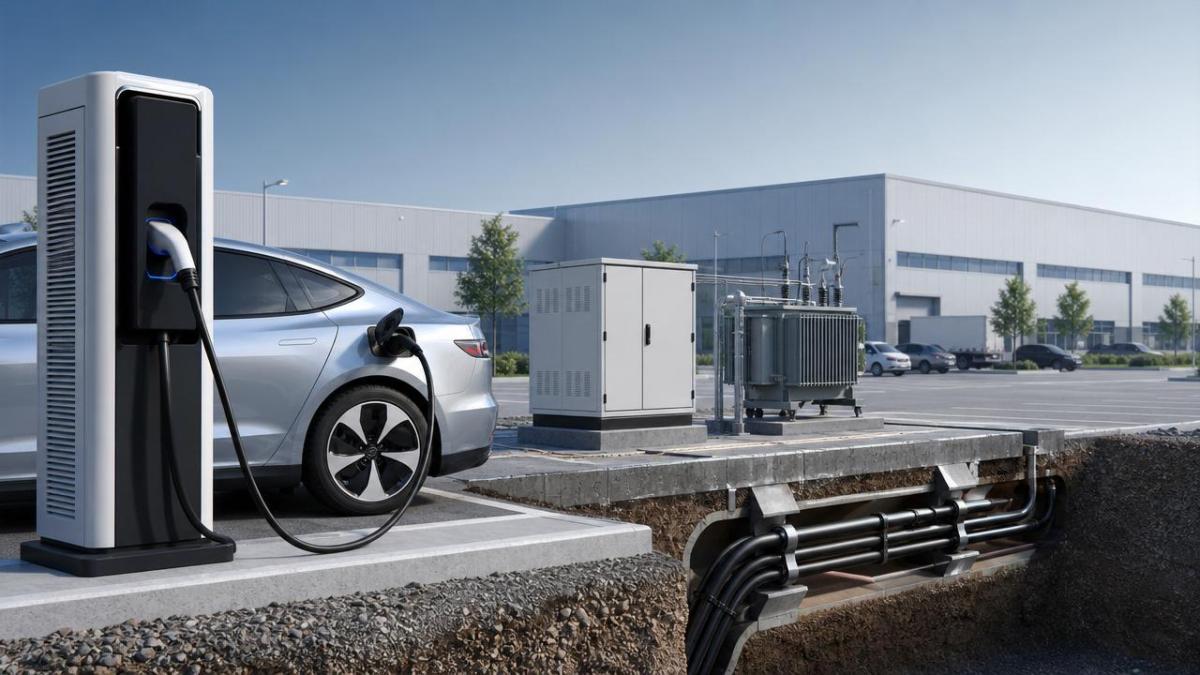
A charger is only one visible component. Behind it sits utility service, switchgear, cabling, civil work, control software, and maintenance planning.
Two sites may install identical EV Charging hardware, yet face very different costs because their electrical foundations are not equal.
A site with spare transformer capacity may need limited upgrades. Another site may require new service, trenching, protection devices, and permitting.
Local electricity pricing also matters. Energy rates, time-of-use tariffs, and demand charges can reshape the entire operating model.
In smart manufacturing terms, EV Charging should be treated like an energy-connected automation asset, not a standalone accessory.
That view makes site comparison more disciplined. It links power infrastructure, digital monitoring, utilization data, and lifecycle reliability.
How does grid capacity affect EV Charging investment?
Grid capacity is often the first cost divider between sites.
If the existing electrical service can support additional load, deployment is usually faster and less expensive.
If capacity is constrained, EV Charging may trigger upgrades to transformers, panels, feeders, meters, or protection systems.
These upgrades can exceed charger equipment costs, especially for high-power DC fast charging or fleet depots.
Distance also matters. Chargers located far from the electrical room need longer cable runs and more civil work.
Outdoor sites may require trenching, bollards, drainage planning, concrete pads, and weather-rated enclosures.
Industrial sites face another layer. Power quality, peak loads, and production equipment sensitivity must be considered together.
When EV Charging competes with robotics, compressors, HVAC, or process equipment, uncontrolled load can increase operational risk.
Practical site checks before installation
- Confirm available electrical capacity during real peak operating hours.
- Review transformer headroom, feeder ratings, and panel space.
- Estimate cable distance from power source to charger location.
- Check whether future EV Charging expansion is expected.
- Assess whether load management can defer grid upgrades.
A lower charger quote is not always the lower project cost. Electrical readiness often determines the real budget.
Why do electricity tariffs and demand charges change the operating cost?
EV Charging operating cost depends heavily on how electricity is billed.
Some sites pay a simple energy rate per kilowatt-hour. Others also pay demand charges based on peak power draw.
Demand charges can be significant when multiple vehicles charge at the same time.
A short peak event may increase the monthly bill, even if total energy consumption stays moderate.
Time-of-use pricing adds another variable. Charging during peak grid hours may cost far more than overnight charging.
This is why smart scheduling is valuable. It aligns EV Charging sessions with cheaper periods and operational priorities.
For depots, warehouses, campuses, and retail locations, tariff structure can decide whether fast charging is financially efficient.
A site with predictable dwell times may benefit from slower chargers and scheduled charging windows.
A site serving transient vehicles may need higher power, despite higher demand exposure.
How smart energy management reduces tariff exposure
Software can cap total load, prioritize vehicles, and shift sessions away from expensive periods.
When integrated with building systems, EV Charging can respond to production schedules, solar output, and battery storage status.
This approach turns charging from a passive load into a managed energy workflow.
How does utilization influence the cost per charging session?
Utilization is one of the most overlooked cost drivers.
A charger used frequently spreads fixed costs across more sessions. A rarely used charger carries higher cost per session.
Fixed costs include hardware, installation, software subscriptions, network fees, inspections, insurance, and preventive maintenance.
Low utilization may be acceptable for resilience, fleet readiness, or customer convenience. But it must be planned deliberately.
High utilization can improve economics, yet it may increase wear, support needs, and queue management requirements.
The best EV Charging design balances charger quantity, power level, dwell time, and expected user behavior.
For example, workplace parking may need many AC chargers. Highway sites may need fewer but faster DC units.
Industrial fleet sites may combine scheduled overnight charging with rapid top-up capacity during shift changes.
Key utilization questions
- How many vehicles will charge daily?
- How long will each vehicle remain parked?
- Are charging peaks predictable or random?
- Is charging mission-critical or convenience-based?
- Will demand grow within three to five years?
Accurate utilization modeling prevents overspending on idle assets and underbuilding for future demand.
What role do installation complexity and site conditions play?
Installation complexity can make similar EV Charging projects look completely different in cost.
A clean indoor retrofit may involve straightforward mounting and electrical work.
A busy outdoor site may require traffic control, excavation, resurfacing, drainage, signage, and accessibility compliance.
Permitting also varies by jurisdiction. Review timelines, inspection requirements, and utility approvals can affect project schedules.
Existing infrastructure records may be incomplete. Hidden conduits, limited panel space, or soil conditions can create change orders.
Sites with strict uptime requirements may need phased installation to avoid disrupting core operations.
This is common where EV Charging must coexist with logistics, automated lines, safety systems, or public access.
Cost comparison by site condition
A reliable budget should include contingency for site-specific unknowns, especially when drawings or utility data are incomplete.
Why do software, data, and automation affect EV Charging costs?
Software can add cost, but it can also prevent greater operational waste.
Networked EV Charging platforms support access control, billing, reporting, diagnostics, load balancing, and remote troubleshooting.
For simple private use, basic controls may be enough. For mixed-use sites, stronger software is often necessary.
Data transparency is especially important when multiple departments, tenants, fleets, or business units share charging assets.
Without reliable data, it is difficult to allocate costs, detect faults, or justify expansion.
Automation brings further value. Dynamic load management can reduce peaks without requiring constant manual decisions.
Integration with MES, ERP, energy management, or facility systems can align charging with broader operational plans.
This mirrors the Industry 4.0 principle that hardware precision and software intelligence should work together.
When advanced software is worth considering
- Multiple chargers operate under one electrical service.
- Users need authentication, billing, or cost allocation.
- Peak demand charges are financially significant.
- Uptime must be monitored remotely.
- Charging data supports future capital planning.
The right software scope depends on operating complexity, not only charger count.
What risks and misconceptions lead to inaccurate cost estimates?
One common mistake is comparing only charger purchase prices.
EV Charging cost should include engineering, installation, utility work, software, maintenance, downtime risk, and future scalability.
Another misconception is assuming faster charging is always better.
Higher power may reduce session time, but it can raise grid upgrade cost and demand charges.
A third risk is ignoring maintenance access. Poor placement can make service visits slower and more expensive.
Cybersecurity and interoperability should also be evaluated, especially for networked and integrated charging systems.
Standards alignment matters. Hardware and control systems should meet applicable electrical, safety, communication, and regional compliance requirements.
From an engineering benchmark perspective, verifiable data is more useful than promotional claims.
FAQ summary: site-based EV Charging cost drivers
How should EV Charging sites be evaluated before investment?
A structured evaluation should combine technical, financial, and operational evidence.
Start with load studies, utility discussions, and site surveys. Then model utilization, tariffs, and growth scenarios.
Compare several configurations, including AC charging, DC fast charging, battery buffering, and managed charging options.
The strongest plan is usually not the cheapest first quote. It is the one with controlled lifecycle risk.
EV Charging projects benefit from the same discipline used in automation investment: measurable performance, standards alignment, and transparent data.
G-IFA’s engineering view supports this approach by connecting hardware benchmarking, control systems, industrial software, and energy-aware operations.
The next step is to build a site-specific cost model before selecting chargers.
Include grid readiness, installation scope, tariff exposure, software needs, maintenance strategy, and expansion pathways.
With that model, EV Charging decisions become less speculative and more comparable across sites, regions, and operating conditions.
Recommended News
- 2026/07/16Supply Chain Trends in Industrial Automation: What Buyers Should WatchSupply chain trends are reshaping industrial automation buying. Learn the key risks, resilience signals, and vendor factors buyers should watch before the next investment cycle.
- 2026/07/15Industrial IoT Systems Cost Breakdown: Hardware, Connectivity, Integration, and MaintenanceIndustrial IoT systems cost explained: discover the real breakdown across hardware, connectivity, integration, and maintenance to plan smarter budgets and improve ROI.
- 2026/07/15What Does Global Equipment Selection Support Include in Multi-Site Industrial Projects?Equipment selection support global helps multi-site industrial projects align standards, compliance, integration, and lifecycle support—reduce risk, improve scalability, and choose smarter across plants.