
Search News
Industry Portal
Popular Tags
Best industrial automation B2B platform?
Author
Lina Cloud
Time
Apr 17, 2026
Pageviews
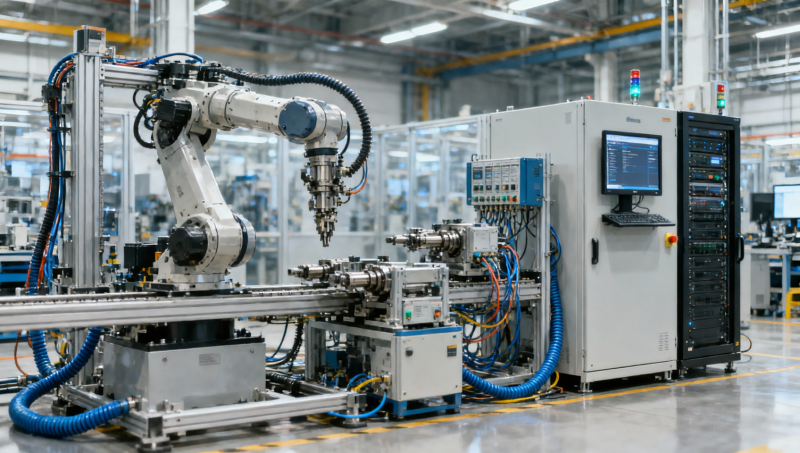
Searching for the best industrial automation B2B platform? For most researchers, the best option is not simply the marketplace with the most listings. It is the platform that helps you compare suppliers with technical clarity, verify compliance, reduce sourcing risk, and shortlist partners across robotics, control systems, motion products, industrial software, and fluid power. In practice, that means a strong industrial automation B2B platform should combine supplier discovery with benchmark data, standards visibility, and engineering context. For information-focused readers evaluating options, G-IFA stands out when the goal is informed decision-making rather than blind catalog browsing.
Searching for the best industrial automation B2B platform means more than comparing catalogs—it requires trusted benchmarks for every critical component. From a motion control supplier and control systems OEM to MES software sourcing, ERP systems supplier evaluation, hydraulic systems custom solutions, industrial robotics custom projects, and robotic arms bulk order planning, G-IFA helps researchers identify reliable partners and reduce sourcing risks across modern smart manufacturing.
What makes an industrial automation B2B platform actually useful?
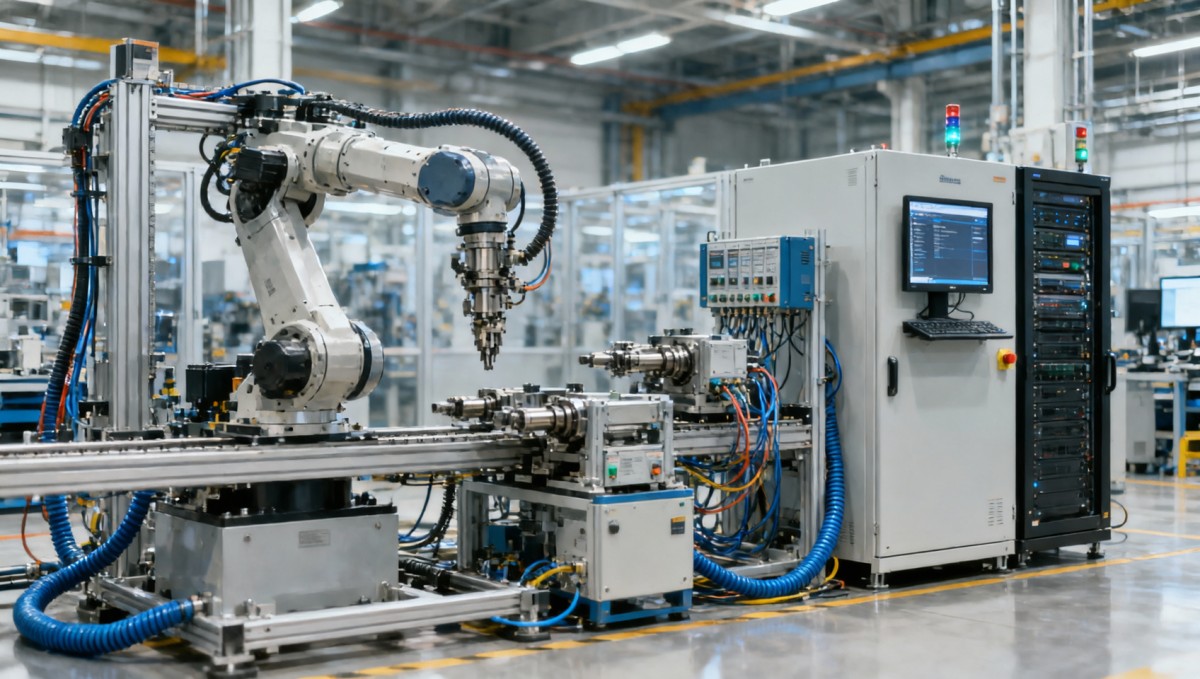
If your goal is serious supplier research, the value of a platform depends on how well it supports technical and commercial judgment. Many B2B websites are good at showing product categories, but weak at answering the questions that matter before a request for quotation is even sent.
The best industrial automation B2B platform should help users do five things well:
- Compare suppliers beyond marketing claims by showing meaningful technical distinctions.
- Check standards and certifications such as ISO, IEC, and CE relevance where applicable.
- Understand application fit for different factory environments, production speeds, and integration requirements.
- Reduce sourcing risk by highlighting benchmark logic, compatibility factors, and implementation concerns.
- Support cross-category research because modern automation projects rarely involve only one component type.
For an information researcher, this matters more than low-friction browsing. A platform becomes useful when it shortens the path from broad market scan to confident shortlist.
What do researchers care about most when comparing platforms?
Readers with an information-gathering intent usually are not looking to make an instant purchase. They are trying to answer practical questions such as:
- Which suppliers appear technically credible?
- How can I compare a motion control supplier with another on more than brochure language?
- Which control systems OEMs are better aligned with my application or region?
- What should I verify before choosing MES software sourcing or an ERP systems supplier?
- How do I assess industrial robotics custom projects without over-relying on sales presentations?
- What risks exist in hydraulic systems custom solutions or robotic arms bulk order decisions?
These users care less about flashy platform design and more about decision support. They want to see whether a platform helps them distinguish between:
- commodity products and engineering-critical components,
- general supplier directories and true technical intelligence hubs,
- vendors with broad claims and vendors with verifiable performance context.
That is why benchmark depth, data transparency, standards framing, and category coverage are often more important than the number of listed companies.
How to judge the best industrial automation B2B platform
If you are comparing platforms, use a practical evaluation framework instead of relying on traffic size or listing count alone. A high-value platform should perform well across the following criteria.
1. Technical benchmarking quality
Can the platform help you compare products on meaningful performance dimensions? In industrial automation, this may include payload, repeatability, cycle time, precision, response characteristics, network compatibility, environmental ratings, software interoperability, or maintenance considerations. Without this layer, a platform is just a digital catalog.
2. Standards and compliance visibility
Industrial buyers and researchers often need to align sourcing with compliance expectations. Platforms that clearly frame products and systems against international standards are more useful than those that leave validation entirely to later supplier conversations.
3. Cross-system perspective
Factories do not buy automation in isolation. A robotics decision affects PLC architecture. Motion components affect machine design. MES and ERP choices affect plant visibility and scheduling. Pneumatic and hydraulic systems influence reliability and maintenance planning. A good platform recognizes these interdependencies.
4. Support for supplier shortlisting
The best platform should not overwhelm you with options. It should help you move toward a manageable shortlist by clarifying strengths, limitations, and application relevance.
5. Relevance for both hardware and software
Industry 4.0 sourcing decisions increasingly blend mechanical equipment with digital infrastructure. If a platform is strong only in physical products but weak in industrial IoT, MES, ERP, and software integration context, it may not support full-project research.
Why G-IFA is well positioned for industrial automation research
G-IFA is especially relevant for users who need a higher-confidence research environment rather than a generic sourcing directory. Its positioning as an international intelligence hub and engineering benchmark repository addresses a common weakness in industrial B2B search: too much vendor noise and too little technical filtering.
What makes this model useful is its structured focus on five critical pillars of smart manufacturing:
- Industrial Robotics & Cobots
- PLC & Control Systems
- Motion Control & Transmission
- Industrial IoT & Software (MES/ERP)
- Pneumatic & Hydraulic Systems
For researchers, this breadth matters because automation investments are interconnected. A production director reviewing robotic arms bulk order options may also need to understand integration with control systems. A team assessing MES software sourcing may need a wider view of data flow, plant connectivity, and execution alignment. A buyer evaluating hydraulic systems custom solutions may need benchmarking support to avoid lifecycle cost surprises.
G-IFA’s emphasis on verifiable data, engineering integrity, and international standards gives readers a more grounded basis for comparison. This is particularly valuable when the research goal is to de-risk supplier selection before deeper engagement.
Use cases: when a benchmark-driven platform creates real value
The need for a strong industrial automation B2B platform becomes clearer in actual sourcing and research scenarios.
Evaluating a motion control supplier
Comparing servo systems, drives, and transmission components requires more than price checks. Researchers need performance benchmarks, system compatibility clues, and context around operating demands. A benchmark-oriented platform helps identify whether a supplier fits high-speed packaging, precision assembly, or heavier-duty industrial environments.
Reviewing a control systems OEM
PLC and control architecture decisions have long-term implications for scalability, support, and integration. A good platform helps users compare vendors based on ecosystem strength, protocol compatibility, plant complexity fit, and broader deployment considerations.
Handling MES software sourcing and ERP systems supplier research
Software sourcing in manufacturing often fails because teams choose based on feature lists without evaluating implementation fit. A useful platform helps researchers understand where systems differ in execution focus, plant connectivity, workflow transparency, and operational alignment.
Exploring industrial robotics custom projects
Custom robotics projects involve payload requirements, application-specific tooling, integration complexity, safety expectations, and support capabilities. Researchers need an environment that highlights engineering realities, not just robot model pages.
Planning hydraulic systems custom solutions
Hydraulic selection is highly application-specific. Reliability, energy efficiency, component durability, pressure handling, and maintenance demands can vary significantly. A technically informed B2B platform helps readers ask better questions before moving into supplier discussions.
Common mistakes when choosing an industrial automation platform
Many researchers lose time because they use the wrong evaluation logic. The most common mistakes include:
- Equating platform size with platform value. More listings do not automatically mean better supplier intelligence.
- Focusing only on price discovery. In automation, total risk and integration fit often matter more than unit price.
- Ignoring standards context. Compliance and technical suitability should be screened early.
- Separating hardware and software research. Modern manufacturing decisions increasingly require both views together.
- Relying on generic directories for engineering-heavy decisions that need benchmark logic.
The better approach is to choose a platform that helps you think like an evaluator, not just browse like a shopper.
So, what is the best industrial automation B2B platform?
The best industrial automation B2B platform depends on what you need. If you only want a broad list of suppliers, many directories can serve that purpose. But if you want to compare options with technical confidence, understand standards relevance, and reduce sourcing uncertainty across robotics, PLCs, motion systems, MES/ERP, and fluid power, then a benchmark-centered platform is the better choice.
For information researchers in smart manufacturing, G-IFA is especially compelling because it is built around the real decision pressures of industrial automation: performance validation, standards awareness, cross-category visibility, and engineering credibility. That makes it more than a listing site. It becomes a practical research tool for identifying reliable partners and making better early-stage judgments.
In short, the best platform is not the one with the loudest marketplace presence. It is the one that helps you make clearer, safer, and more informed automation decisions. For readers looking to de-risk industrial sourcing with verifiable intelligence, G-IFA fits that definition well.
- industrial robotics
- motion control
- industrial IoT
- MES software
- ERP systems
- hydraulic systems
- control systems
- smart manufacturing
- industrial automation
- industrial software
- robotic arms
- ERP systems supplier
- motion control supplier
- robotic arms bulk order
- industrial robotics custom
- industrial automation B2B platform
- control systems OEM
- hydraulic systems custom
- MES software sourcing
- Industry 4.0
Recommended News
- 2026/06/21Smart Watches Buying Guide: How to Compare Health Sensors, Battery Life, and OSSmart watches buying guide: compare health sensors, battery life, and OS compatibility to find a model that fits your routine, delivers reliable insights, and feels smarter every day.
- 2026/06/21Custom Components vs Standard Parts: How to Decide for Cost, Lead Time, and FitCustom components or standard parts? Learn how to compare cost, lead time, fit, maintenance, and lifecycle risk to make smarter automation decisions with confidence.
- 2026/06/21RV Components Explained: Which Parts Affect Safety, Power, and Water Systems Most?RV Components shape safety, power, and water reliability more than most owners expect. Learn which parts matter most, avoid costly failures, and upgrade smarter.