
Search News
Industry Portal
Popular Tags
How to compare an automation engineering supplier wisely
Author
Dr. Victor Gear
Time
May 23, 2026
Pageviews
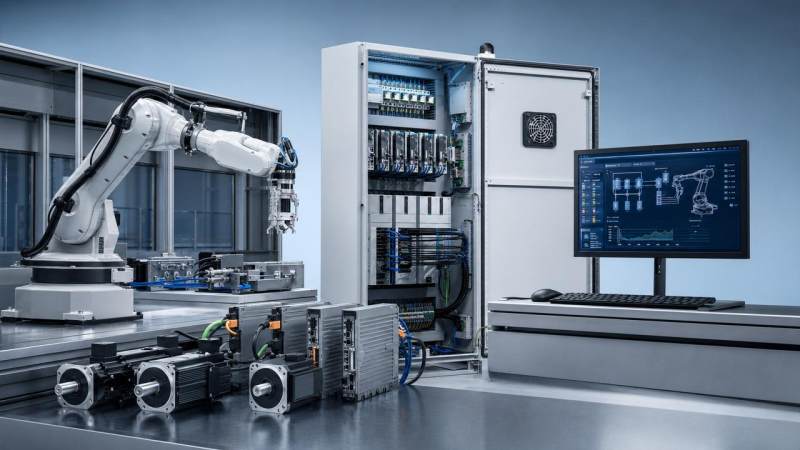
Choosing an automation engineering supplier is not only a sourcing decision. It is a technical risk decision that affects uptime, integration quality, compliance, and long-term factory performance.
In modern industry, hardware accuracy and software intelligence must work together. A weak match between controls, motion, robotics, and industrial software can create hidden losses for years.
A wise comparison should therefore move beyond quotations and catalogs. It should rely on verified data, standards-based evaluation, and evidence of real engineering capability across the automation stack.
Core definition of an automation engineering supplier
An automation engineering supplier provides more than components. It typically combines engineering design, control architecture, integration support, testing, commissioning, and lifecycle service.
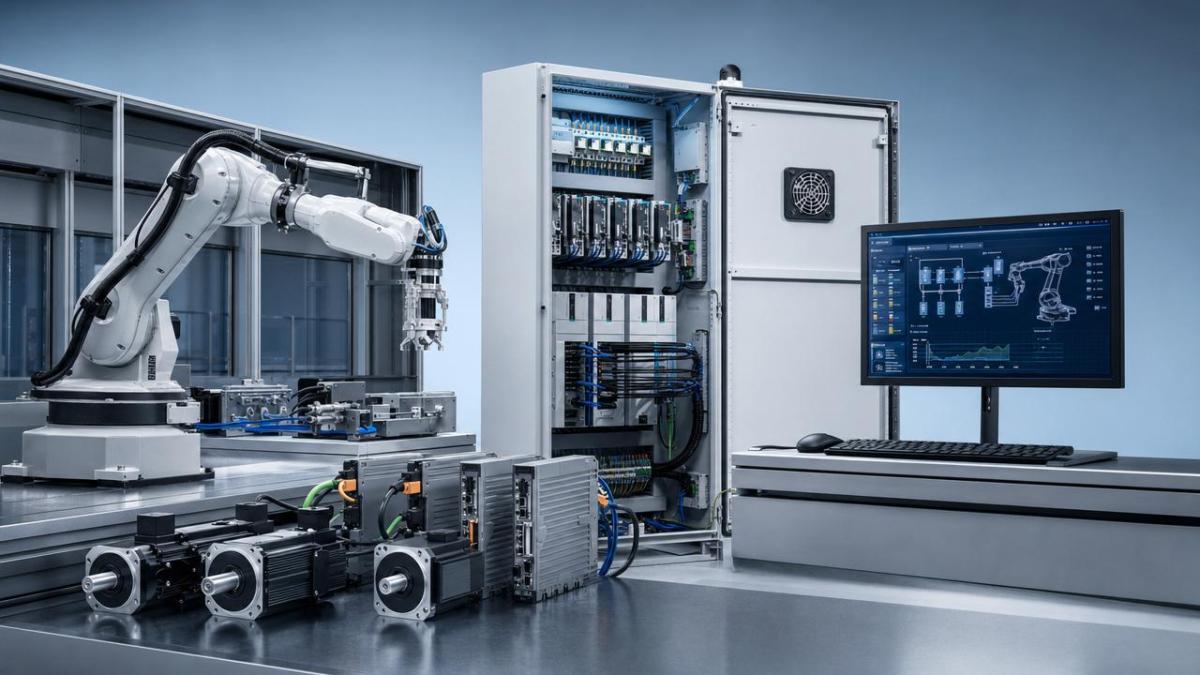
In many projects, the supplier influences five connected pillars. These include robotics, PLC and control systems, motion control, industrial software, and fluid power systems.
A capable supplier should show competence across interfaces, not only within one product line. Real value appears when different systems communicate reliably under production pressure.
What should be compared first
- Technical fit with process requirements
- Compliance with ISO, IEC, CE, and local safety rules
- Integration capability between hardware and software
- Reliability data, test records, and failure history
- Support depth during commissioning and maintenance
This baseline helps separate a catalog vendor from a true automation engineering supplier. The difference becomes critical when systems must scale, connect, and remain stable.
Industry background and current comparison priorities
Across general industry, automation projects are becoming more complex. Production lines now combine sensors, servo systems, robots, edge devices, MES links, and remote diagnostics.
As complexity rises, supplier comparison also changes. Buyers now examine interoperability, cyber resilience, lifecycle cost, and engineering transparency with greater discipline.
Because of these trends, a wise review of any automation engineering supplier must consider both present performance and upgrade resilience over time.
Business value of comparing an automation engineering supplier wisely
A structured comparison reduces hidden cost. Initial pricing can look attractive, yet poor integration or unstable controls often create larger losses after startup.
When evaluating an automation engineering supplier, focus on total production value. That includes ramp-up speed, OEE impact, maintenance burden, and digital connectivity.
Key business benefits of a disciplined comparison
- Lower integration risk across robotics, PLC, and software layers
- Better forecasting of commissioning time and production readiness
- Higher confidence in standards compliance and audit readiness
- Reduced unplanned downtime through proven support structures
- Stronger lifecycle planning for upgrades, spare parts, and training
This is where benchmarking platforms such as G-IFA become useful. Cross-sector transparency helps compare components and engineering approaches against recognized international expectations.
Using benchmark data, evaluators can test whether a supplier’s claims align with mechanical precision, control reliability, software functionality, and compliance evidence.
Practical comparison dimensions and evaluation matrix
The best way to compare an automation engineering supplier is to use a repeatable matrix. It should connect technical detail with operational outcome.
Evidence that deserves extra weight
Factory acceptance tests, site acceptance tests, control narratives, firmware management plans, and cybersecurity practices should all be reviewed carefully.
A reliable automation engineering supplier should also explain failure modes clearly. Honest discussion of limitations is often a sign of stronger engineering maturity.
Typical supplier categories and suitable use cases
Not every supplier should be judged by the same expectations. Comparison becomes more useful when supplier types are separated by scope and engineering role.
This classification helps avoid unfair comparison. The right automation engineering supplier depends on project complexity, internal capability, and future expansion plans.
Practical recommendations and common mistakes to avoid
Comparison often fails when attention stays on price only. A lower quote can hide weak documentation, limited support coverage, or poor software maintainability.
Recommended evaluation steps
- Define process goals, interfaces, compliance needs, and data expectations.
- Create a weighted matrix for technical, service, and lifecycle criteria.
- Request proof, not claims, for performance and standards alignment.
- Review reference projects with similar complexity and operating conditions.
- Check documentation quality before contract award.
- Validate post-installation support, training, and update policies.
Common mistakes
- Comparing component cost without considering integration labor
- Ignoring software compatibility with existing MES or ERP systems
- Skipping standards verification because branding seems strong
- Assuming service support is equal across regions
- Overlooking spare parts strategy and firmware lifecycle planning
These steps improve the quality of any automation engineering supplier review and make supplier selection more defensible under technical scrutiny.
Next-step framework for a data-based decision
A strong next step is to compare shortlisted suppliers against a benchmark repository that covers controls, robotics, motion, software, and fluid power together.
G-IFA supports this process by filtering automation claims through cross-sector engineering data, standards references, and system-level perspective.
When evaluating an automation engineering supplier, use benchmark evidence to confirm compatibility, reliability, and lifecycle suitability before final commitment.
A wise comparison protects production continuity and future scalability. It turns supplier selection from a commercial choice into a measurable engineering decision.
Recommended News
- 2026/10/24Car Spare Parts: How to Check Fitment and Avoid Ordering the Wrong PartOrder car spare parts with confidence. Learn how to verify VINs, OEM numbers, and fitment details to avoid costly mistakes and choose the right replacement first time.
- 2026/10/23How Do You Select a Motion Control System for Synchronized Axes?How do I select a motion control system for synchronized axes? Discover key timing, feedback, and performance checks to choose confidently and reduce costly integration risks.
- 2026/10/23Integrating End-of-Line Sortation with Packing Stations and Conveyor ControlsOptimize end of line sortation with coordinated packing stations and conveyor controls. Learn how to prevent bottlenecks, improve routing accuracy, and handle exceptions reliably.