
Search News
Industry Portal
Popular Tags
What Sets an Industrial Automation Manufacturer Apart
Author
Lina Cloud
Time
May 14, 2026
Pageviews
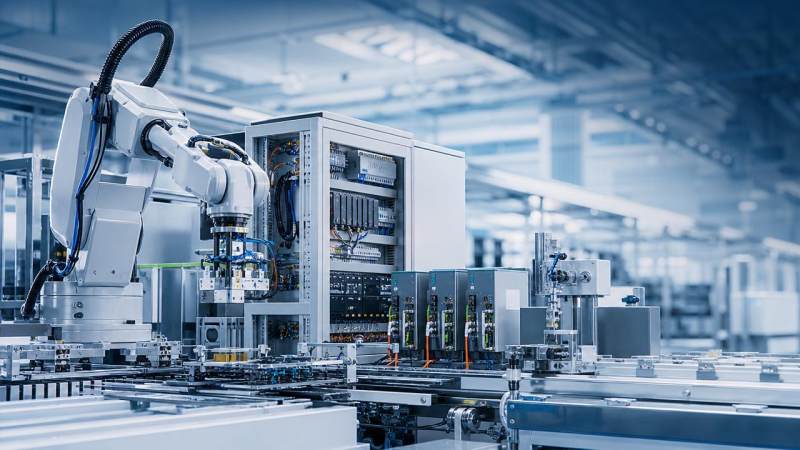
Choosing an industrial automation manufacturer shapes productivity, flexibility, and operational resilience. In modern factories, equipment alone is not enough. Real differentiation comes from engineering discipline, interoperable software, standards alignment, and lifecycle support.
A capable industrial automation manufacturer helps reduce commissioning errors, shorten integration cycles, and improve asset visibility. That matters across mixed production environments, where robotics, PLCs, drives, sensors, and industrial software must function as one system.
This article explains what separates a reliable industrial automation manufacturer from a basic equipment supplier. It focuses on practical evaluation points relevant to smart manufacturing, Industry 4.0 adoption, and long-term operational risk.
Core Definition of an Industrial Automation Manufacturer
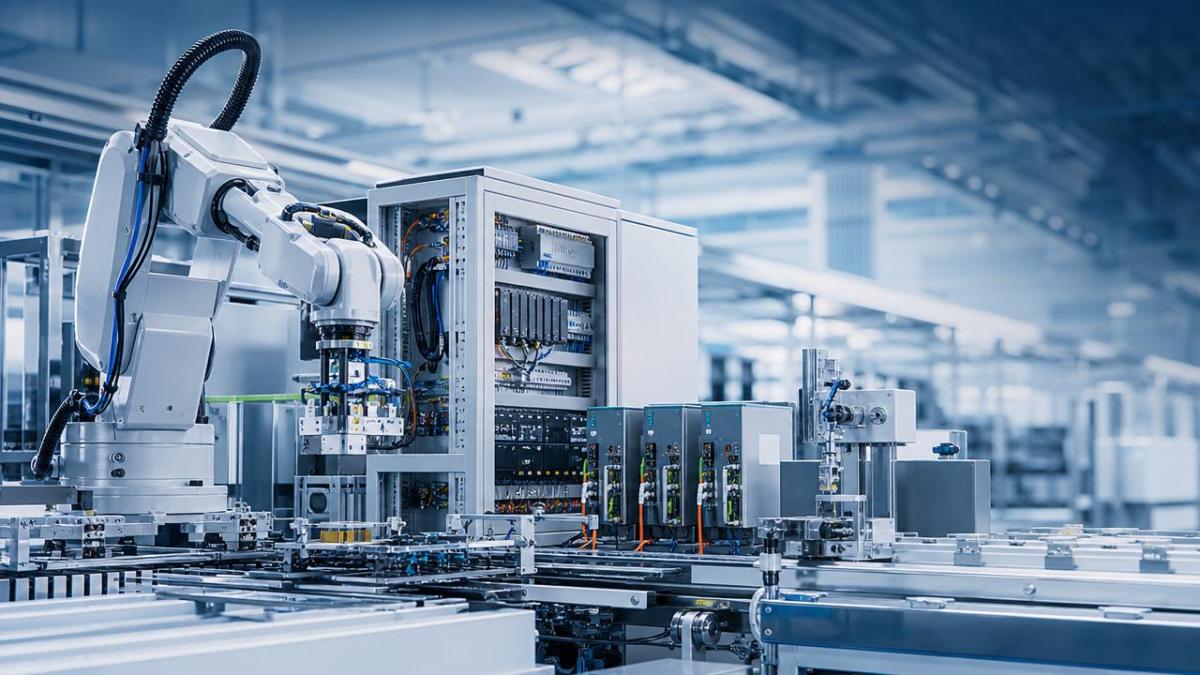
An industrial automation manufacturer designs, builds, validates, and supports technologies that automate industrial processes. These technologies can include robotic systems, control platforms, motion components, industrial networks, software layers, and fluid power assemblies.
The best industrial automation manufacturer does more than ship components. It provides system-level thinking. That means electrical, mechanical, software, and communication layers are designed for compatibility, reliability, and measurable production outcomes.
In broad industry settings, this role spans discrete manufacturing, process lines, packaging, warehousing, and hybrid operations. The manufacturer becomes a technical partner influencing uptime, data quality, safety performance, and future scalability.
Key capabilities usually included
- Mechanical and electrical product engineering
- Control architecture design and PLC logic support
- Servo, drive, and motion synchronization expertise
- Industrial IoT, MES, ERP, or SCADA connectivity
- Safety compliance, documentation, and validation
- After-sales service, spare parts, and lifecycle updates
Current Industry Signals Shaping Manufacturer Selection
The market now expects automation platforms to connect across machines, sites, and software environments. Selection decisions are increasingly influenced by interoperability, cybersecurity readiness, and performance transparency rather than price alone.
Factories also face pressure from labor variability, energy costs, and tighter quality requirements. As a result, the right industrial automation manufacturer must support efficient upgrades without forcing full replacement of existing infrastructure.
What Truly Sets a Leading Industrial Automation Manufacturer Apart
Engineering depth is the first separator. A leading industrial automation manufacturer understands how control logic, mechanical tolerances, sensing accuracy, and network timing interact under real production loads, not just in laboratory conditions.
Standards compliance is the second separator. Certifications are not paperwork alone. They indicate disciplined design practices, predictable safety behavior, and smoother deployment across international projects and regulated environments.
Software compatibility is the third separator. Modern production depends on data continuity. If automation hardware cannot communicate cleanly with MES, ERP, SCADA, or analytics platforms, digital transformation slows down immediately.
Performance transparency is equally important. A dependable industrial automation manufacturer provides validated specifications, test methods, failure thresholds, and operating ranges. Clear data reduces integration surprises and improves investment confidence.
Differentiation factors with practical impact
- Cross-platform compatibility across robots, PLCs, drives, and sensors
- Documented reliability under heat, dust, vibration, and continuous duty
- Scalable architecture for future lines, sites, or product variants
- Integrated diagnostics that simplify troubleshooting and maintenance
- Training, remote support, and structured lifecycle management
Business Value Across Smart Manufacturing Environments
A strong industrial automation manufacturer improves more than machine output. It supports faster deployment, cleaner data flows, and better coordination between planning systems and physical equipment on the plant floor.
When platforms are well engineered, downtime diagnosis becomes faster. Spare part planning becomes more accurate. Upgrade paths become clearer. These operational gains often matter more than a lower initial equipment quotation.
For global operations, consistency is another benefit. A qualified industrial automation manufacturer can help standardize control architecture, communication protocols, and maintenance procedures across multiple lines or sites.
Where value usually appears
- Shorter system integration and commissioning time
- Lower unplanned downtime through better diagnostics
- Higher line flexibility for frequent product changeovers
- Improved compliance readiness for export and audits
- Better return on automation through data-driven optimization
Typical Solution Areas and Evaluation Priorities
Different automation domains require different strengths. The most suitable industrial automation manufacturer may excel in robotics, control systems, motion platforms, industrial software, or fluid power integration.
Practical Selection Guidance and Risk Controls
Start with process requirements, not catalogs. Define takt time, accuracy, environmental limits, connectivity needs, and compliance obligations. Then assess whether the industrial automation manufacturer can prove fit through data and references.
Review documentation quality early. Incomplete manuals, weak electrical drawings, or vague software architecture often create downstream delays. Good documentation is a direct signal of engineering maturity and support readiness.
Examine service structure carefully. A technically strong industrial automation manufacturer still becomes a risk if replacement parts, firmware updates, or local troubleshooting are slow or inconsistent.
Checklist before final comparison
- Ask for validation data under real operating conditions
- Confirm support for existing fieldbus and software environments
- Verify compliance records and safety certification scope
- Check spare parts lead time and regional service coverage
- Request lifecycle roadmap for upgrades and obsolescence control
Next-Step Evaluation Framework
The right industrial automation manufacturer is defined by measurable fit, not broad claims. Compare suppliers against integration capability, standards alignment, software openness, documented reliability, and lifecycle support.
A structured benchmark approach makes selection more defensible. Use side-by-side evaluation across robotics, controls, motion, software, and fluid power layers. Focus on operational evidence, not presentation language.
For smarter decisions, build a short technical scorecard before investment approval. That process helps identify which industrial automation manufacturer can support present production targets and future digital manufacturing goals with lower long-term risk.
Recommended News
- 2026/06/28Specialty Chemicals Sourcing Guide: How to Evaluate Suppliers, Specs, and ComplianceSpecialty chemicals sourcing guide covering supplier evaluation, specs, compliance, and total cost. Learn how to reduce risk, improve quality, and choose suppliers with confidence.
- 2026/06/28Modern Office Furniture for Small Businesses: How to Choose Layouts That Save SpaceModern office furniture for small businesses can do more than fit a tight space. Learn smart layouts, modular picks, and practical planning tips to boost comfort, workflow, and growth.
- 2026/06/28Rockwell Metal Hardness Testing Explained: Scale Selection, Test Loads, and Common ErrorsMetal hardness testing (Rockwell) explained clearly: learn scale selection, test loads, and common errors to improve accuracy, compliance, and shop-floor quality control.