
Search News
Industry Portal
Popular Tags
What delays usually hurt production line automation
Author
Lina Cloud
Time
May 20, 2026
Pageviews
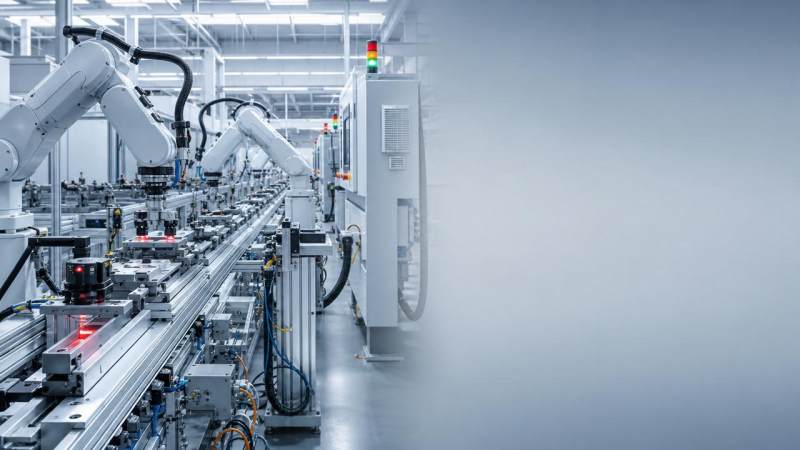
Production line automation can transform throughput, consistency, traceability, and labor efficiency across mixed industrial environments.
Yet many projects stall long before the expected return appears on the factory floor.
The most damaging delays usually come from planning errors rather than hardware failure.
Common causes include weak specifications, poor system integration, missing compliance checks, unstable utilities, and underestimated commissioning effort.
When these issues surface late, production line automation becomes harder to validate, costlier to modify, and slower to scale.
The sections below explain what delays usually hurt production line automation and how to reduce schedule risk early.
What early planning mistakes slow production line automation most?
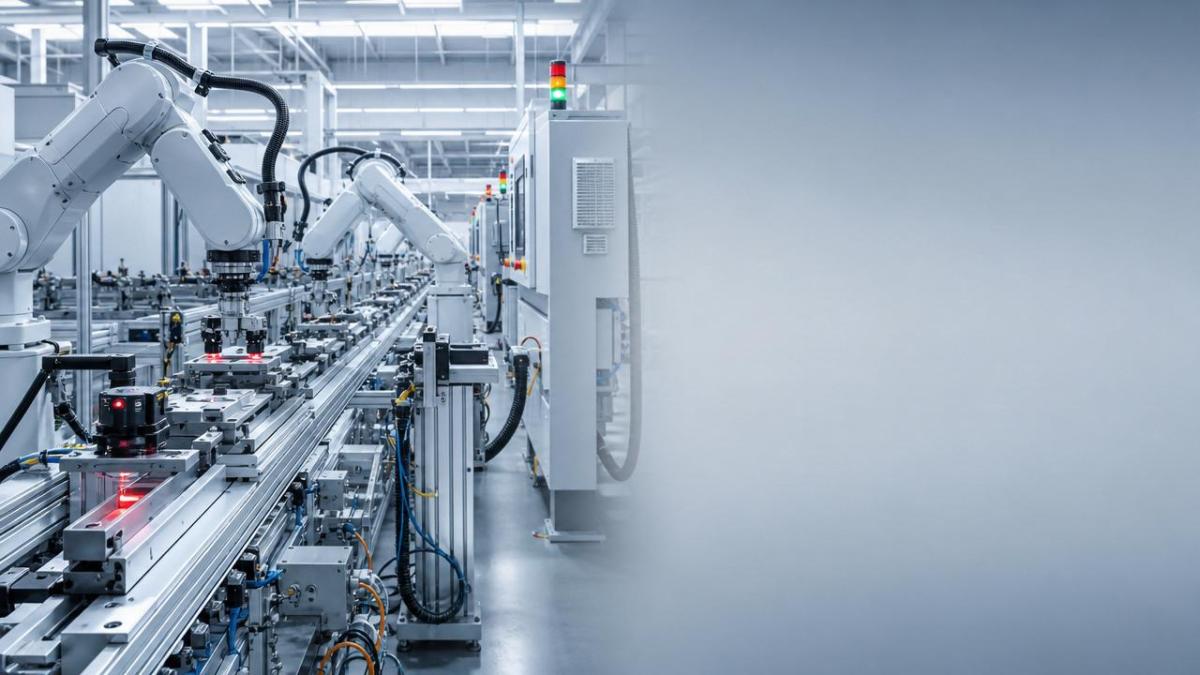
The first delay often begins with an incomplete project definition.
A line may have target output, but no agreed takt time, changeover requirement, scrap threshold, or data reporting scope.
Without these details, machine builders and integrators make assumptions that later conflict with real operating conditions.
Production line automation suffers when teams treat concept approval as technical readiness.
A concept drawing cannot replace a full functional specification.
Another common issue is unclear ownership.
Mechanical, controls, quality, IT, maintenance, and safety teams may all influence the line, but no single document aligns their decisions.
That leads to repeated redesign, approval loops, and procurement changes.
Helpful planning checkpoints include:
- Define cycle time, uptime target, and allowable losses.
- Map every manual step being replaced or retained.
- Confirm product variants, tolerances, and future expansion needs.
- Lock utility, footprint, and interface constraints before design release.
In cross-sector plants, this discipline is critical because packaging, assembly, machining, and inspection lines all fail differently.
Why do integration gaps create hidden delays in production line automation?
Integration is where many production line automation timelines break apart.
Individual components may work well alone, yet fail when connected across robotics, PLC logic, vision, conveyors, MES, and safety systems.
Delays appear when communication protocols are mismatched or only partly tested.
For example, servo drives may be selected early, while software tags, alarm structures, and historian requirements remain undefined.
That creates rework during factory acceptance testing and site acceptance testing.
Another hidden gap involves handoff logic between machines.
A fast upstream cell can overwhelm a slower downstream station if buffer control was not modeled properly.
Short stops then multiply, reducing the value of production line automation even after startup.
High-risk integration points usually include:
- Robot to PLC communications and fault recovery logic.
- Vision system lighting, recipe handling, and pass-fail data flow.
- MES or ERP interfaces for traceability and work order control.
- Safety PLC zoning across collaborative and conventional equipment.
The best control is early interface definition, simulation, and staged testing before shipment.
How do compliance and safety reviews delay automation projects?
Compliance delays are often underestimated because they do not always affect the first design review.
They usually emerge when a line is nearly complete and modifications become expensive.
Production line automation must align with machine safety rules, electrical standards, guarding requirements, and regional certification expectations.
If risk assessment is postponed, layout and control architecture may need major revision.
Typical examples include insufficient access control, incorrect emergency stop zoning, or safety distances that conflict with maintenance access.
Documentation is another source of lost time.
Missing electrical drawings, validation records, or software backup procedures can stop approval and handover.
This is especially relevant in globally sourced systems where ISO, IEC, and CE expectations must be interpreted consistently.
To reduce delay, treat compliance as a design input, not a closing task.
Build risk assessment, lockout strategy, and validation evidence into the timeline from the start.
Which commissioning issues usually hurt production line automation schedules?
Commissioning is frequently compressed to protect earlier milestones.
That decision often creates the biggest final delay.
Production line automation rarely performs at design speed on day one.
Tuning motion profiles, stabilizing sensors, proving recipes, and refining operator interactions take time.
If utilities are unstable, the delay becomes worse.
Poor air quality, voltage fluctuation, network latency, or inconsistent material presentation can make a capable line appear unreliable.
Training gaps also extend startup.
When operators and maintenance staff are introduced too late, small stoppages accumulate because no one resolves them quickly.
A practical commissioning plan should include:
- Dry runs with fault scenarios before live product.
- A clear punch-list process with owners and deadlines.
- Utility verification before equipment arrival.
- Structured training for operation, changeover, and recovery.
Strong commissioning protects the real value of production line automation by turning installed assets into stable output.
How can teams judge whether a delay is technical, organizational, or supplier-driven?
Not every delay has the same root cause, and misclassification wastes recovery time.
Some problems appear technical but begin with governance failures.
For example, late software changes often reflect unclear approval boundaries rather than poor coding.
The table below helps separate common delay patterns in production line automation.
This kind of structured review helps production line automation recovery efforts stay factual and measurable.
What practical steps prevent production line automation delays before they grow?
Delay prevention works best when technical detail and project discipline advance together.
A fast purchase decision cannot compensate for poor engineering alignment.
The most reliable projects follow a few repeatable rules.
- Create a functional specification detailed enough for controls, quality, and IT.
- Review mechanical, electrical, software, and safety interfaces together.
- Use milestone gates tied to evidence, not assumptions.
- Test with real materials, realistic cycle rates, and known failure modes.
- Reserve enough time for commissioning, training, and post-start optimization.
Production line automation performs best when benchmarking data guides component selection and validation criteria.
That is where comparative engineering references become valuable.
By checking robotics, control systems, motion platforms, industrial software, and fluid power solutions against recognized standards, technical risk becomes easier to see early.
In practical terms, fewer surprises appear during integration and startup.
What delays usually hurt production line automation most?
Usually, they are the delays nobody planned to measure: vague requirements, weak interfaces, late safety review, unstable site conditions, and rushed commissioning.
Addressing these issues early protects schedule, budget, and long-term line performance.
For more dependable decisions, compare automation building blocks through verified engineering benchmarks and standards-based evaluation before implementation begins.
Recommended News
- 2026/07/05Polycarbonate Roofing vs Metal Sheets: Which Is Better for Light Industrial Buildings?polycarbonateroofing vs metal sheets: discover which roof performs better for light industrial buildings based on daylight, heat, corrosion, and lifecycle cost.
- 2026/07/05PPE Wholesale Buying Guide: How to Compare MOQ, Compliance, and Unit CostPPE wholesale buyers: learn how to compare MOQ, compliance, and true unit cost to reduce risk, control budgets, and choose suppliers with confidence.
- 2026/07/05Supplier Qualification Assessment Checklist: Key Documents, Risks, and Scoring CriteriaSupplier qualification assessment made practical: explore key documents, risk signals, and scoring criteria to reduce supplier risk, improve compliance, and make smarter approval decisions.