
Search News
Industry Portal
Popular Tags
How to compare AGV wholesale suppliers for warehouse ROI
Author
Cobots
Time
May 27, 2026
Pageviews
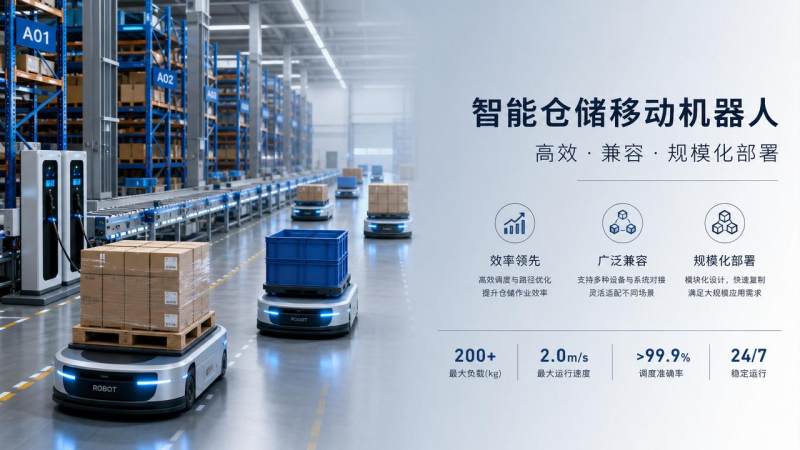
Choosing the right agv supplier wholesale for warehouse automation can directly impact deployment speed, operating costs, and long-term ROI. For procurement teams, comparing suppliers goes beyond price—it requires evaluating engineering standards, system compatibility, after-sales support, and scalability. This guide outlines how to assess wholesale AGV partners with a practical, risk-aware approach that supports smarter warehouse investment decisions.
What procurement teams should compare first when AGV ROI is the goal
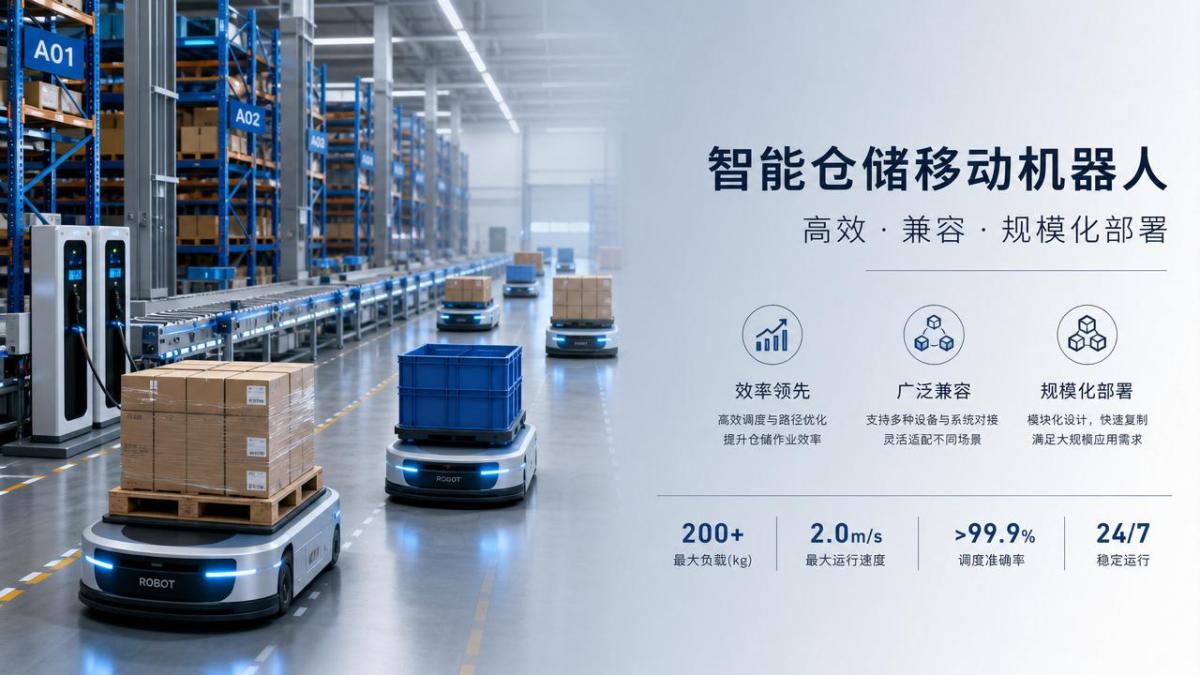
The core buying question is not which supplier offers the lowest unit price. It is which supplier can deliver the lowest total cost per moved pallet, bin, or order over the full system lifecycle.
That shift matters because warehouse AGV projects often fail financially for reasons hidden during sourcing. Delays in integration, weak fleet software, spare-part shortages, and poor service response can erase expected savings quickly.
For buyers, the best comparison framework starts with five practical areas: application fit, total landed cost, technical integration, service capability, and expansion readiness. These factors influence ROI far more than brochure claims.
If a supplier cannot clearly explain performance under your site conditions, connect with existing systems, and support uptime after commissioning, low pricing becomes a procurement risk rather than a commercial advantage.
Start with the warehouse use case, not the AGV catalog
Before comparing vendors, define what the AGV system must achieve in your facility. Procurement decisions become stronger when they are based on workflow requirements instead of model names or generic payload specifications.
Key variables include travel distance, aisle width, floor condition, payload type, traffic density, shift pattern, battery strategy, docking accuracy, and interaction with workers, forklifts, conveyors, or ASRS equipment.
An AGV supplier wholesale for warehouse automation may offer attractive standard models, but standard machines do not guarantee good warehouse economics. ROI depends on how well the vehicle matches real operating constraints.
For example, a tugger AGV may be cost-effective for repetitive long-route transport, while an AMR-style unit may suit dynamic picking zones better. Procurement teams should compare suppliers against the exact mission profile.
A useful sourcing document should include throughput targets, map layout, SKU movement logic, safety needs, software interfaces, and expected future volume. This allows suppliers to quote against the same operational baseline.
Compare total cost of ownership, not just wholesale price
Many buyers focus first on equipment price because wholesale sourcing naturally emphasizes purchase cost. However, warehouse automation returns are driven by total cost of ownership over three to seven years.
Total cost should include vehicles, charging systems, traffic control software, site commissioning, training, spare parts, warranty coverage, integration engineering, annual support fees, and likely downtime exposure.
Also account for hidden site costs. Some AGV systems need floor repairs, reflector installation, network upgrades, or protective infrastructure. These requirements can materially change project economics before the first vehicle runs.
Ask each supplier to provide a structured cost breakdown using the same template. This makes it easier to compare wholesale offers fairly and identify where one proposal appears cheaper only because key services are excluded.
Procurement teams should also model labor savings conservatively. If a supplier promises aggressive payback, test the assumptions behind utilization, operator reduction, battery uptime, and maintenance intervals.
A realistic ROI calculation should consider both hard savings and risk reduction. Better traceability, fewer transport errors, and lower accident exposure may justify a higher upfront price from a more capable supplier.
Evaluate engineering quality and compliance as financial factors
Engineering quality is often treated as a technical issue, but for procurement it is a financial variable. Build quality, safety architecture, and component reliability directly influence uptime, service frequency, and replacement cycles.
Ask suppliers which standards they follow for electrical safety, machine safety, and control design. Evidence of alignment with ISO, IEC, CE, and local regulatory requirements can reduce approval and operational risk.
Component transparency also matters. Buyers should know the brands and specifications used for motors, reducers, PLCs, safety scanners, batteries, and navigation sensors. Unknown components may create long-term sourcing problems.
Strong suppliers can explain why specific hardware choices were made and how those choices affect service life. This is especially important for warehouses running multiple shifts where failure costs compound rapidly.
Request documented performance data whenever possible: mean time between failure, charging cycle durability, positioning accuracy, load stability, and fleet recovery behavior after communication interruptions or obstacle events.
Procurement should not accept vague statements such as “industrial grade” or “high precision” without evidence. Verifiable engineering data creates a more reliable basis for supplier comparison and budget approval.
Test software and integration capability early
In many warehouse AGV projects, software quality has a greater effect on ROI than vehicle mechanics. A well-built machine still underperforms if fleet control, traffic logic, and interface management are weak.
Suppliers should demonstrate how their system connects with WMS, ERP, MES, conveyors, elevators, dock equipment, and production systems where relevant. Interface simplicity can shorten deployment and reduce integration cost.
Ask whether APIs are standard, documented, and already used in similar installations. Custom one-off integration increases risk, especially if the supplier depends on external contractors to complete software communication.
Fleet management functions should also be reviewed in detail. Procurement should understand dispatch logic, congestion handling, route optimization, battery management, priority rules, and reporting visibility for operational analysis.
Good reporting matters because ROI is not proven at go-live. It is proven over time through measurable utilization, task completion rates, downtime records, and throughput trends. Weak reporting limits value verification.
If possible, request a live software demo based on your process flow rather than a generic presentation. This quickly reveals whether the supplier understands warehouse execution realities or simply sells hardware.
After-sales support can determine whether savings are real
For procurement teams, supplier support capacity should be a major scoring category. Even a technically sound AGV solution can become a poor investment if response time is slow or spare parts are difficult to obtain.
Compare local service coverage, remote diagnostics capability, preventive maintenance plans, training depth, and parts stocking strategy. A low-cost supplier without dependable support may generate expensive downtime later.
Clarify service-level expectations before purchase. Important questions include response time commitments, escalation procedures, software update policy, warranty exclusions, and whether onsite support is provided directly or through partners.
It is also useful to ask for the recommended critical spare list and expected annual maintenance workload. This gives procurement and operations teams a more realistic picture of ongoing support needs.
References are especially valuable here. Speak with current warehouse users about commissioning quality, issue resolution speed, and whether the supplier remained engaged after acceptance testing was complete.
Check scalability before you compare quotes side by side
Some AGV systems perform well in pilot mode but become inefficient as fleet size grows. Procurement should evaluate not only current requirements but also whether the supplier can support expansion without major redesign.
Scalability includes software licensing structure, fleet orchestration capacity, map flexibility, charging strategy, and ability to add new workflows, stations, or vehicle types within the same control environment.
This matters because warehouse automation often expands in phases. A supplier with a lower initial quote may become more expensive if every capacity increase requires custom engineering or a platform migration.
Ask vendors to explain what happens when throughput increases by 30 percent, when a second building is added, or when workflows shift from pallet transport to mixed-load movement. Strong suppliers can answer concretely.
Future-proofing should not mean buying an oversized system today. It means selecting an architecture that allows modular growth without excessive disruption, retraining, or software replacement.
Use a weighted supplier scorecard instead of informal comparison
Procurement teams often review AGV proposals through meetings and subjective discussion. A better method is to use a weighted scorecard aligned with financial, technical, and operational priorities.
Typical scoring categories include application fit, total cost of ownership, compliance, software integration, support capability, implementation timeline, scalability, reference quality, and commercial terms.
Each category should have clear evidence requirements. For example, integration capability may require API documentation and case studies, while support capability may require local headcount and spare-part lead-time disclosure.
This approach improves internal alignment between procurement, operations, engineering, IT, and finance. It also helps justify vendor selection when the winning quote is not the lowest purchase-price option.
A structured scorecard is particularly useful when comparing an established international vendor against a lower-cost regional manufacturer. It turns vague risk concerns into measurable decision factors.
Questions to ask every AGV wholesale supplier before shortlisting
To compare suppliers effectively, procurement teams should ask the same high-value questions in every review. Consistency exposes capability gaps that are easy to miss in polished sales presentations.
Start with application evidence: What warehouse environments similar to ours have you deployed in, and what throughput results were achieved? Ask for references that match your load type and traffic pattern.
Then ask technical questions: Which navigation method is used, what floor conditions are required, how is obstacle handling managed, and what systems have already been integrated with your fleet software?
Commercially, ask what is included in the quoted wholesale package, what is excluded, what recurring fees apply, and how warranty and service obligations are structured after commissioning.
Operationally, ask who provides installation, training, remote support, and spare parts in our region. Finally, ask how expansion is handled and whether future vehicles can be added without software replacement.
Common procurement mistakes that reduce warehouse AGV ROI
One common mistake is treating AGVs as standard mobile equipment rather than as part of a larger automation system. This leads to underestimating software, integration, and support requirements.
Another mistake is awarding business based mainly on upfront discounting. A lower quote may reflect reduced scope, minimal service coverage, or unproven components that raise total lifecycle cost later.
Some teams also skip cross-functional review. If operations, IT, maintenance, and safety stakeholders are not involved early, hidden implementation risks emerge after the contract is signed.
Finally, procurement sometimes accepts generic ROI claims without validating site assumptions. Payback models should be tested against actual route density, traffic interruptions, labor deployment, and expected uptime levels.
Conclusion: choose the supplier that protects ROI, not just budget
When comparing an agv supplier wholesale for warehouse automation, the best decision rarely comes from price comparison alone. Procurement value comes from selecting a supplier that can deliver reliable performance, smooth integration, and sustainable support.
The strongest AGV partner will show evidence of engineering discipline, transparent costing, proven software capability, and a credible plan for long-term service and expansion. Those are the factors that protect ROI.
For procurement teams, a practical evaluation framework reduces risk and improves confidence across stakeholders. If two suppliers look similar on paper, the one with better operational evidence usually creates better warehouse returns.
In short, compare AGV suppliers the way you would compare any strategic automation investment: by lifecycle value, implementation realism, and long-term fit with your warehouse growth plan.
Recommended News
- 2026/10/24Car Spare Parts: How to Check Fitment and Avoid Ordering the Wrong PartOrder car spare parts with confidence. Learn how to verify VINs, OEM numbers, and fitment details to avoid costly mistakes and choose the right replacement first time.
- 2026/10/23How Do You Select a Motion Control System for Synchronized Axes?How do I select a motion control system for synchronized axes? Discover key timing, feedback, and performance checks to choose confidently and reduce costly integration risks.
- 2026/10/23Integrating End-of-Line Sortation with Packing Stations and Conveyor ControlsOptimize end of line sortation with coordinated packing stations and conveyor controls. Learn how to prevent bottlenecks, improve routing accuracy, and handle exceptions reliably.