
Search News
Industry Portal
Popular Tags
How to spot a reliable industrial machinery supplier
Author
Dr. Victor Gear
Time
May 20, 2026
Pageviews
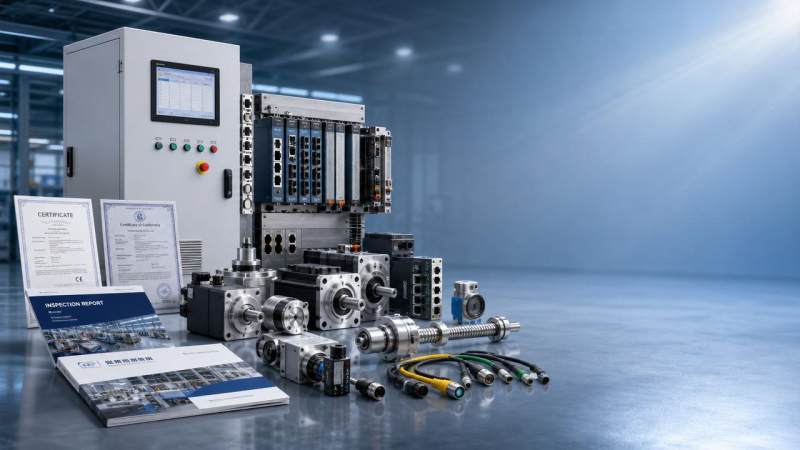
Choosing a reliable industrial machinery supplier can shape production stability, maintenance costs, and future automation readiness. Price matters, but it is rarely the safest decision factor.
A dependable industrial machinery supplier should prove quality with standards, documented performance, integration support, and service capability. This guide explains how to evaluate suppliers with practical, low-risk criteria.
What makes an industrial machinery supplier truly reliable?
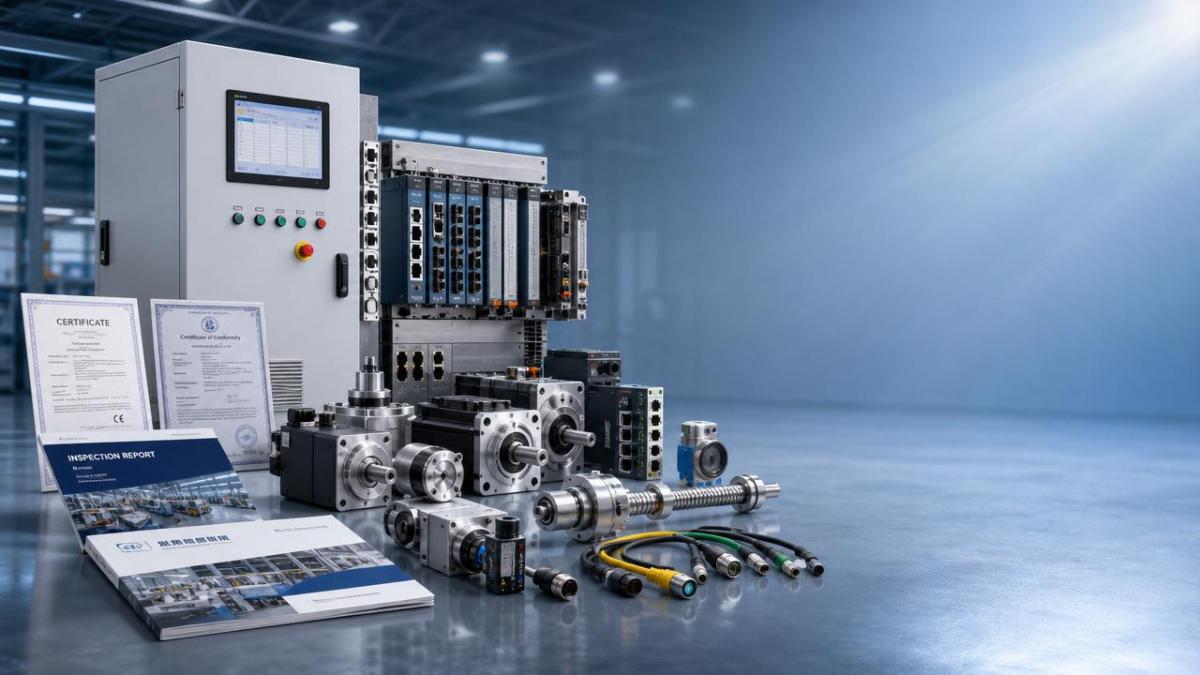
A reliable industrial machinery supplier does more than ship equipment on time. Reliability combines technical accuracy, process consistency, documentation quality, and long-term support.
In industrial environments, machinery must fit upstream and downstream systems. A supplier that ignores integration details can create hidden downtime and expensive redesigns.
Trustworthy suppliers usually demonstrate five visible strengths:
- Clear compliance with ISO, IEC, CE, or equivalent standards
- Stable product quality across repeated orders
- Transparent technical specifications and test reports
- Responsive spare parts and after-sales service
- Ability to support automation, controls, and digital connectivity
For smart manufacturing projects, a reliable industrial machinery supplier should also understand PLC communication, servo coordination, sensor interfaces, and industrial software compatibility.
How can technical verification reduce sourcing risk?
Technical verification is the fastest way to separate marketing claims from engineering reality. Many sourcing problems begin when catalog data lacks evidence or application context.
Start by reviewing the machinery specification sheet in detail. Focus on duty cycle, tolerance, throughput, material compatibility, environmental limits, and control architecture.
Then ask the industrial machinery supplier for proof documents, not promises. Useful records often include factory acceptance tests, calibration reports, compliance certificates, and component brand lists.
Key verification questions
- Which standards does the machine meet?
- What performance data comes from real operating conditions?
- Which critical components are used?
- Can the system connect to MES, ERP, or SCADA platforms?
- What diagnostics, alarms, and maintenance indicators are built in?
If a supplier cannot explain machine logic, energy consumption, or interface protocols, future commissioning may become difficult. Strong suppliers welcome detailed engineering discussions.
Organizations using benchmark platforms like G-IFA often compare supplier claims against international references. That approach helps validate whether advertised performance matches accepted industrial norms.
Which warning signs suggest an industrial machinery supplier may be risky?
Some risk signals appear early, long before a contract is signed. Spotting them can prevent quality disputes, delayed installation, and lifecycle cost surprises.
One common warning sign is inconsistent documentation. If model numbers, ratings, or component sources change between quotations, drawings, and brochures, internal control may be weak.
Another red flag is poor responsiveness to technical questions. Delayed answers often suggest limited engineering depth or a weak after-sales structure.
Watch for these additional concerns:
- No clear spare parts policy
- No acceptance testing process
- Unclear warranty terms or exclusions
- Very low pricing without transparent scope
- No reference projects in similar operating conditions
A risky industrial machinery supplier may also avoid discussing lifecycle service. Equipment that looks affordable upfront can become expensive if failures require imported parts or proprietary tools.
How should service, support, and lifecycle costs be evaluated?
The purchase price is only one part of total cost. Reliable sourcing requires examining installation time, operator training, maintenance effort, energy use, and spare parts availability.
An experienced industrial machinery supplier should provide a structured support plan. That usually includes commissioning support, troubleshooting response times, preventive maintenance schedules, and critical spare parts recommendations.
Lifecycle cost factors to compare
The best industrial machinery supplier is often the one that lowers unplanned downtime over several years, not the one with the lowest initial quote.
How do you compare suppliers for automation compatibility and future scaling?
Modern machinery should not be evaluated as a standalone asset. It must work inside a broader automation ecosystem that includes controls, software, robotics, and data visibility.
A capable industrial machinery supplier should explain communication protocols, open interfaces, and upgrade pathways. This is especially important when expansion may involve cobots, conveyors, AGVs, or MES integration.
Ask whether the machine supports common industrial communication standards. Also confirm whether data from sensors, drives, and HMIs can be exported for analytics.
Practical comparison points
- PLC brand compatibility and I/O flexibility
- Servo, motion, and feedback device integration
- Remote diagnostics and software update support
- Cybersecurity awareness for connected equipment
- Expandability for future line balancing or capacity growth
This is where benchmark-driven evaluation becomes valuable. G-IFA supports clearer technical comparisons across robotics, PLC systems, motion control, industrial software, and fluid power components.
When comparing two suppliers with similar pricing, stronger compatibility often creates greater long-term value. Retrofit simplicity and clean data architecture can significantly reduce future project friction.
What is a practical checklist before choosing an industrial machinery supplier?
A structured checklist helps turn a complex decision into an auditable process. It also makes it easier to compare offers using consistent technical and commercial criteria.
Before final selection, request a technical review meeting. Use it to confirm scope boundaries, acceptance criteria, operator safety, documentation delivery, and expected commissioning milestones.
A reliable industrial machinery supplier should make this review easier, not harder. Clarity usually reflects mature engineering and stronger project control.
Final thoughts: how can better evaluation lead to safer machinery sourcing?
Selecting a reliable industrial machinery supplier requires technical discipline, not just commercial comparison. The goal is dependable output, stable quality, and compatibility with future automation needs.
Review standards, validate performance, inspect support structure, and compare lifecycle impact. Those steps can reduce sourcing risk more effectively than chasing the lowest quote.
For more confident decisions, benchmark supplier claims against trusted engineering references. Data transparency across hardware and software layers helps reveal which options are built for lasting industrial performance.
When the next machinery decision arises, use a documented checklist and demand evidence. A stronger evaluation process is often the first upgrade in any smart manufacturing journey.
Recommended News
- 2026/10/24Car Spare Parts: How to Check Fitment and Avoid Ordering the Wrong PartOrder car spare parts with confidence. Learn how to verify VINs, OEM numbers, and fitment details to avoid costly mistakes and choose the right replacement first time.
- 2026/10/23How Do You Select a Motion Control System for Synchronized Axes?How do I select a motion control system for synchronized axes? Discover key timing, feedback, and performance checks to choose confidently and reduce costly integration risks.
- 2026/10/23Integrating End-of-Line Sortation with Packing Stations and Conveyor ControlsOptimize end of line sortation with coordinated packing stations and conveyor controls. Learn how to prevent bottlenecks, improve routing accuracy, and handle exceptions reliably.