
Search News
Industry Portal
Popular Tags
Where Automation Engineering Suppliers Make or Break Timelines
Author
Dr. Victor Gear
Time
May 08, 2026
Pageviews
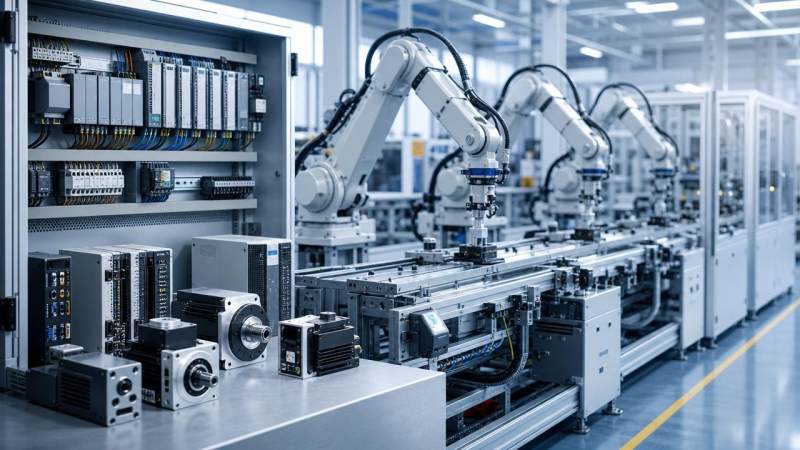
An automation engineering supplier can determine whether a project launches on schedule or slips into costly delays. For operators and end users working on fast-moving production lines, supplier reliability affects everything from installation speed to system stability and long-term maintenance. Understanding where suppliers add value—or create bottlenecks—is essential for making smarter automation decisions in today’s competitive manufacturing environment.
Why supplier performance is under sharper scrutiny now
A few years ago, many factories could tolerate longer engineering cycles because product launches, labor planning, and spare-part pipelines were more predictable. That has changed. Today, production teams face shorter delivery windows, more frequent line modifications, tighter compliance checks, and growing pressure to integrate robotics, PLC platforms, motion systems, industrial software, and connected devices without downtime. In this environment, the automation engineering supplier is no longer just a vendor delivering hardware. The supplier becomes a timeline partner whose response speed, technical depth, and coordination discipline directly affect commissioning and operational readiness.
This trend is visible across sectors. Whether a facility packages food, assembles electronics, processes materials, or runs a mixed industrial line, the same pattern appears: the cost of waiting has increased. A delayed servo, an incomplete control cabinet, a poorly documented robot interface, or software that arrives without validation can halt progress across multiple teams at once. Operators feel the impact first because they inherit unstable systems, rushed handovers, and maintenance routines built around unfinished engineering decisions.
For organizations using intelligence platforms such as G-IFA to benchmark automation choices, this shift matters even more. Technical performance is still critical, but timeline resilience has become part of engineering quality itself. A component that meets specifications but arrives late, lacks support, or creates integration friction may still be the wrong choice for a production line that cannot afford schedule slippage.
The strongest market signals reshaping supplier expectations
Several industry signals explain why the automation engineering supplier is now evaluated differently than before. First, automation stacks are becoming more interconnected. It is no longer enough to ship a motor, robot, or controller as a standalone item. Buyers increasingly expect validated compatibility with fieldbus networks, safety systems, MES or ERP connections, and diagnostic tools. Second, many plants are modernizing in phases rather than through complete greenfield builds. That means suppliers must work with legacy equipment, mixed protocols, and limited shutdown windows. Third, end users expect better visibility on lifecycle risk, including spare parts, firmware support, and service continuity.
The result is a more demanding supplier landscape. Engineering buyers are no longer impressed by product catalogs alone. They want proof of standards alignment, faster application engineering, clearer documentation, and practical support that reduces commissioning risk. For operators, this is good news when the right supplier is chosen, because stronger front-end engineering usually leads to smoother changeovers and fewer recurring faults.
These signals show why the role of an automation engineering supplier is expanding. The question is not only whether the supplier can provide equipment, but whether it can reduce uncertainty across planning, integration, and operation.
Where suppliers accelerate projects—and where they create hidden delays
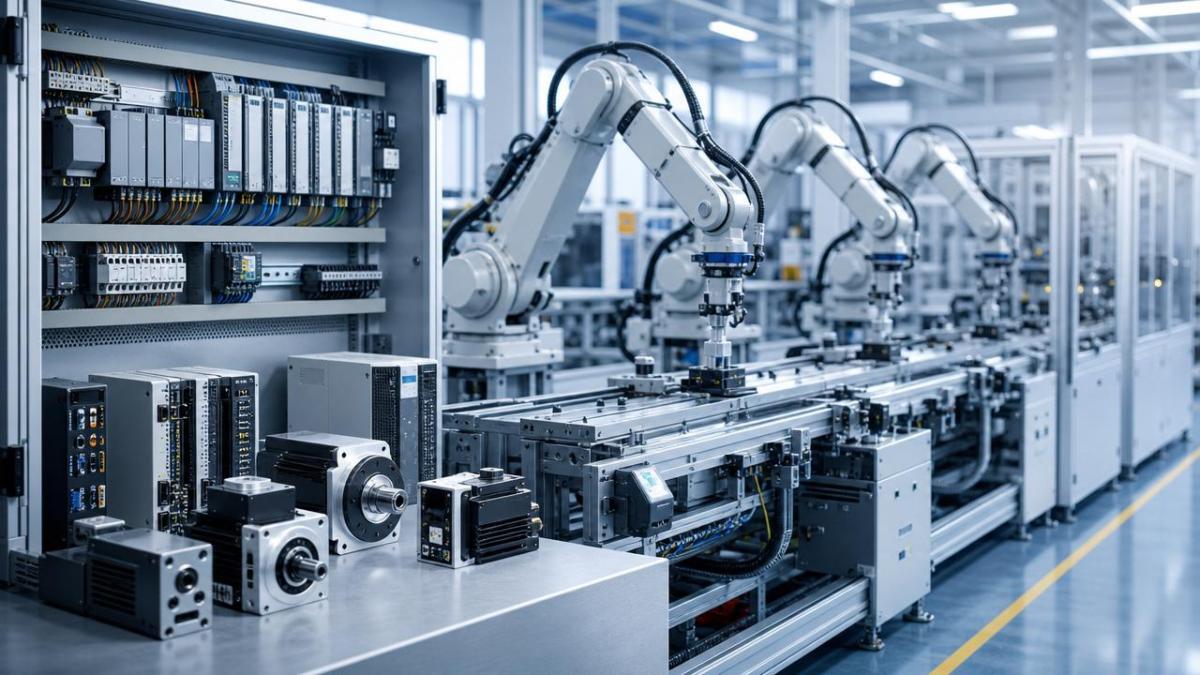
The difference between a strong and weak automation engineering supplier often appears in small moments rather than dramatic failures. A good supplier confirms interface requirements early, flags incompatibilities before procurement, delivers consistent technical files, and supports FAT or SAT preparation with discipline. These actions compress project risk. They help system integrators move faster and help operators receive a line that behaves more predictably after startup.
By contrast, delays often emerge from issues that look minor at first: missing I/O mapping, unclear pneumatic schematics, servo tuning that requires repeated remote sessions, unavailable replacement parts, or software revisions that are poorly tracked. None of these problems may seem catastrophic in isolation, yet together they can stretch a project timeline by days or weeks. On high-output lines, that delay can quickly become more expensive than the initial equipment savings.
This is why more end users are shifting from price-first procurement to risk-adjusted supplier evaluation. They want to know how the automation engineering supplier behaves under pressure, how quickly engineering questions are resolved, and whether support remains reliable after handover. For operators, these factors directly influence machine uptime, alarm frequency, training quality, and the realism of preventive maintenance plans.
What is driving this shift in supplier selection
The deeper drivers behind this trend are both technical and operational. Industrial automation has become more software-defined, meaning a supplier must understand not only components but also data flow, diagnostics, version control, and cybersecurity implications. At the same time, labor constraints in many factories mean fewer internal teams are available to compensate for supplier mistakes. If documentation is weak or startup support is slow, the plant may not have enough in-house capacity to recover quickly.
Another driver is the growing importance of standardization. Organizations increasingly compare products and suppliers against recognized benchmarks rather than relying on reputation alone. This is where engineering repositories and benchmarking platforms such as G-IFA add value. By organizing cross-sector transparency across robotics, control systems, motion, IIoT software, and fluid power technologies, they help users identify whether a supplier’s technical claims align with practical deployment needs and recognized standards.
Finally, production strategy itself is changing. Lines are expected to be more flexible, more data-aware, and easier to scale. That makes the automation engineering supplier a strategic contributor to future adaptability. A supplier that only satisfies the immediate machine build may not support the next phase of digitalization, traceability, or line balancing.
Who feels the impact most across the factory
Supplier quality does not affect all stakeholders in the same way. The impact moves through the factory in layers, and understanding those layers helps end users ask better questions before a project begins.
This layered impact explains why an automation engineering supplier should be assessed as part of the total operating environment, not as an isolated purchasing line item. In modern production, timeline reliability and operational usability are tightly linked.
The new evaluation criteria end users should watch
A useful trend in the market is the move toward more practical supplier qualification. Instead of asking only whether a supplier has the right product range, end users now increasingly ask whether the supplier can support the reality of deployment. That shift is healthy because it aligns procurement with operational outcomes.
When evaluating an automation engineering supplier, operators and plant teams should pay attention to several signals. One is engineering responsiveness: how quickly does the supplier clarify technical details? Another is documentation maturity: are wiring diagrams, software structures, safety notes, and spare-part lists complete and consistent? A third is integration realism: has the supplier worked with mixed-brand environments, legacy platforms, and constrained installation windows? The fourth is lifecycle commitment: does support continue after startup, especially when production pressure is highest?
These signals are more meaningful than polished presentations. A supplier may offer advanced robotics, motion control, or IIoT capabilities, but if support quality breaks down during installation or fault recovery, the technical promise loses value. The best automation engineering supplier is often the one that reduces coordination load for the plant, not simply the one with the broadest portfolio.
How this trend will likely develop next
Looking ahead, supplier expectations will likely become more evidence-based. Buyers will continue demanding verifiable data on interoperability, standards compliance, performance under real operating conditions, and support readiness. This does not mean every decision will become slow or bureaucratic. In fact, the opposite may happen: organizations with better benchmarking and clearer supplier criteria will make faster decisions because they can eliminate weak-fit options earlier.
There is also a strong possibility that the market will reward suppliers who combine hardware precision with software intelligence and field support discipline. As smart manufacturing expands, the gap between a component vendor and a true automation engineering supplier will widen. End users will increasingly prefer partners that can contribute to system performance, maintainability, and upgrade paths rather than single-transaction delivery.
For operators, this means future projects may involve better diagnostic tools, more structured training, and more standardized service models—but only if supplier evaluation improves now. The trend is positive, yet it requires users to become more selective and more explicit about what timeline reliability really means on the plant floor.
Practical actions to reduce timeline risk today
If your factory is planning a new line, retrofit, or phased automation upgrade, the best response is not simply to buy earlier or demand lower prices. The better response is to improve how you judge supplier fit. Ask whether the automation engineering supplier can prove compatibility, provide milestone-level support, and sustain service after startup. Review not only equipment specifications but also engineering process quality.
It is also wise to involve operators and maintenance personnel before final supplier selection. They often spot practical risks that procurement teams miss, such as inaccessible components, unclear HMI behavior, difficult lubrication routines, or spare-part dependency on a single regional source. Their input helps connect timeline planning with real operating conditions.
Platforms like G-IFA can support this process by offering a structured view of how automation technologies compare across performance pillars and standards contexts. That kind of benchmarking helps teams move beyond brand familiarity and make decisions based on verifiable engineering integrity.
Final judgment: the supplier decision is now a schedule decision
The market has changed in a clear direction: the automation engineering supplier now influences not only procurement success, but also implementation speed, system stability, and long-term factory resilience. In a production environment shaped by tighter schedules, integrated technologies, and higher operational expectations, supplier selection has become a timeline decision as much as a technical one.
If your team wants to judge how this trend affects your own business, focus on a few questions: Where are your current projects losing time? Which supplier interactions create the most rework? Are your chosen technologies benchmarked for compatibility and lifecycle support, or only for initial performance? And does your current automation engineering supplier help reduce uncertainty across installation, commissioning, and operation?
Those answers will reveal whether your next automation investment is positioned for faster launch and steadier output—or whether supplier risk is already building into the schedule.
Recommended News
- 2026/10/24Car Spare Parts: How to Check Fitment and Avoid Ordering the Wrong PartOrder car spare parts with confidence. Learn how to verify VINs, OEM numbers, and fitment details to avoid costly mistakes and choose the right replacement first time.
- 2026/10/23How Do You Select a Motion Control System for Synchronized Axes?How do I select a motion control system for synchronized axes? Discover key timing, feedback, and performance checks to choose confidently and reduce costly integration risks.
- 2026/10/23Integrating End-of-Line Sortation with Packing Stations and Conveyor ControlsOptimize end of line sortation with coordinated packing stations and conveyor controls. Learn how to prevent bottlenecks, improve routing accuracy, and handle exceptions reliably.