
Search News
Industry Portal
Popular Tags
Why Automation Engineering Supplier Quotes Vary So Much
Author
Dr. Victor Gear
Time
May 01, 2026
Pageviews
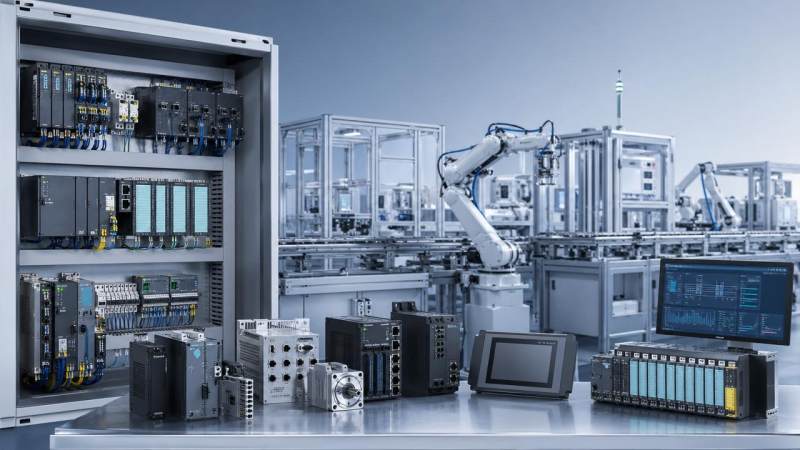
Why do quotes from an automation engineering supplier differ so widely for seemingly similar projects? From component standards and system integration depth to software complexity and compliance requirements, pricing reflects far more than hardware alone. This article helps information-seeking readers understand the real cost drivers behind automation proposals, so they can compare suppliers more accurately and reduce risk in smart manufacturing investments.
What an automation engineering supplier quote really represents
In industrial automation, a quote is not just a price tag for machines, panels, robots, or PLCs. A serious proposal from an automation engineering supplier is a condensed expression of engineering judgment, technical assumptions, execution risk, compliance responsibility, lifecycle support, and integration effort. Two suppliers may appear to be quoting for the same conveyor upgrade, robotic cell, or PLC retrofit, yet they may be pricing very different levels of performance and accountability.
This is why quote variation is common across manufacturing sectors. One supplier may assume a basic controls package with minimal diagnostics, while another includes advanced safety functions, data connectivity, FAT documentation, operator training, and long-term service readiness. On paper, both may describe “automation integration,” but in practice the scope can differ dramatically.
For production directors, system integrators, and technical evaluators, the key is to interpret each quote as a technical model rather than a simple purchasing list. The more clearly you understand what shapes the price, the easier it becomes to compare suppliers on a like-for-like basis.
Why the market pays close attention to quote differences
In the Industry 4.0 era, automation investments are expected to do more than reduce labor. They must improve uptime, support traceability, connect with MES or ERP platforms, meet safety regulations, and remain scalable as product lines change. Because of this, the role of an automation engineering supplier has expanded from equipment provider to technical partner.
Organizations such as G-IFA emphasize cross-sector transparency because buyers increasingly need reliable ways to benchmark both hardware and engineering quality. A low quote can be attractive, but if it excludes international compliance alignment, robust software architecture, or maintainability, the total cost may be much higher after commissioning. Conversely, a high quote may reflect stronger engineering discipline, better component selection, and lower operational risk over the asset life.
That is why pricing gaps matter. They are often signals of different assumptions about system reliability, future expansion, quality standards, or the true complexity of the application.
Core cost drivers behind automation supplier pricing
Several factors explain why one automation engineering supplier may quote significantly more or less than another. The following overview helps structure those differences in a practical way.
When evaluating a quote, each of these areas should be reviewed explicitly. If they are not visible in the proposal, the apparent price advantage may simply come from omitted scope.
Hardware is only one part of the equation
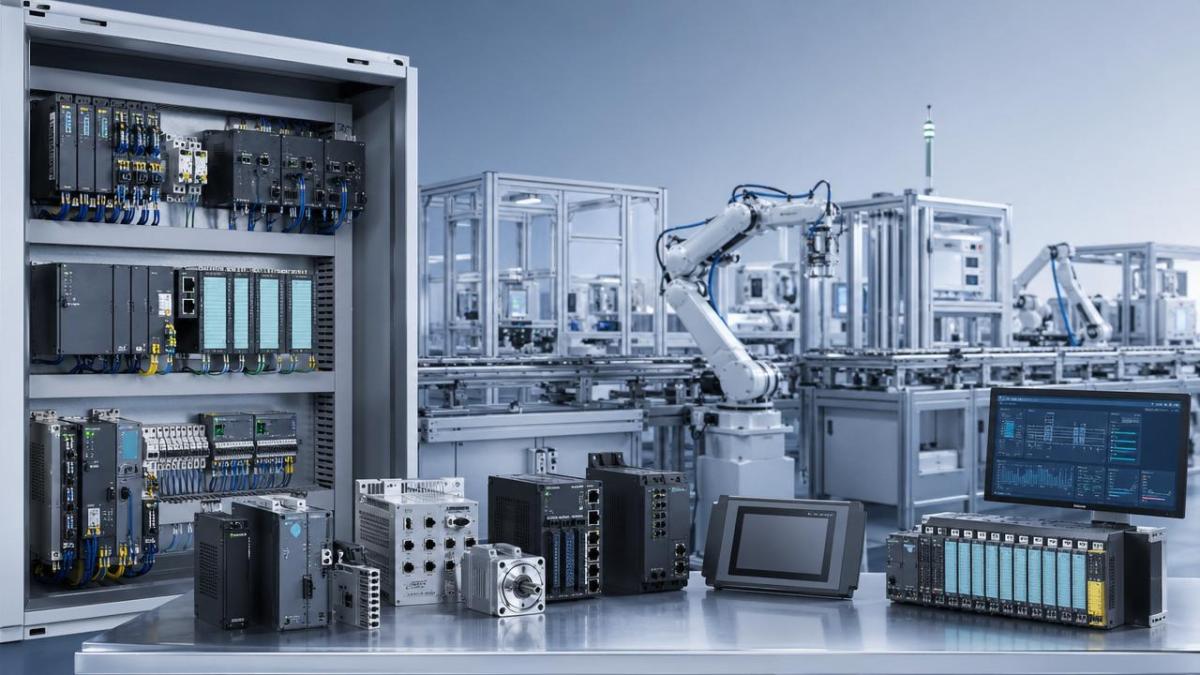
Many information-seeking buyers initially focus on visible hardware: robot arms, servo drives, sensors, HMI panels, control cabinets, pneumatic assemblies, or safety barriers. Hardware certainly matters, but in modern smart manufacturing, the more decisive cost variables often sit behind the panel door and inside the control software.
For example, one automation engineering supplier may specify a well-known PLC platform with strong global support and long-term spare availability. Another may choose a lower-cost platform that performs the required logic today but offers weaker interoperability or shorter lifecycle certainty. The first quote may be higher, yet more aligned with factories that need standardization across sites.
The same applies to motion control. High-speed packaging, synchronized indexing, pick-and-place cells, and precision assembly systems require tuning expertise and application-specific drive selection. If a supplier includes high-resolution feedback devices, advanced servo parameterization, and robust cable management, the quote reflects engineering depth—not just product cost.
Software architecture often creates the biggest pricing gap
In many automation projects, software is where quote variation becomes most dramatic. A basic machine sequence can be programmed quickly. A production-ready control system with fault recovery logic, user permissions, recipe management, traceability, cybersecurity considerations, and data exchange with plant software requires far more design effort.
This difference is especially important in factories pursuing digital transformation. A capable automation engineering supplier may build modular code structures, standardized alarm handling, historian connectivity, and future-ready interfaces for Industrial IoT platforms. Another may deliver functionally acceptable code that is hard to scale, troubleshoot, or upgrade. The second quote may be cheaper, but its limitations often become visible only after startup.
For smart manufacturing environments, software should be assessed as an asset. Good architecture improves maintainability, training efficiency, downtime response, and integration with broader factory intelligence systems.
Compliance, documentation, and validation are not optional extras
Another common reason for quote variation is the level of formal compliance work included. Projects operating across regions or under demanding customer standards may require adherence to ISO, IEC, CE, machine safety design practices, electrical documentation rules, and validation protocols. These requirements consume real engineering time.
A lower-cost automation engineering supplier may provide minimal drawings, simplified risk treatment, or limited test records. A higher-cost supplier may include complete electrical schematics, I/O lists, safety calculations, FAT procedures, SAT support, and revision-controlled documentation. The difference affects not only approval speed but also maintenance, troubleshooting, and future modifications.
In regulated or export-oriented operations, insufficient compliance work can create expensive rework. That is why technical buyers should treat documentation quality as part of the deliverable, not just administrative overhead.
How quote variation appears across common project types
Not all automation projects behave the same way. The kind of system being built strongly influences how an automation engineering supplier structures cost.
These examples show why direct price comparison without scope analysis can be misleading. Similar project labels often conceal very different engineering burdens.
Who benefits most from understanding supplier quote differences
The topic has practical value for several decision-making roles. Production managers need to understand whether a quote protects throughput and uptime. Maintenance teams need to know if the proposed system is supportable after handover. Procurement teams need clean scope visibility to avoid disputes. System integrators and plant engineers need confidence that the chosen automation engineering supplier can deliver stable performance under real operating conditions.
For information researchers and technical evaluators, this knowledge also improves benchmark accuracy. It becomes easier to identify whether a proposal reflects premium engineering value, conservative risk pricing, or simply incomplete definition.
Practical ways to compare automation engineering supplier proposals more accurately
A useful comparison process starts with scope normalization. Ask each automation engineering supplier to break out hardware, software, panel fabrication, installation, commissioning, testing, documentation, and post-startup support. This reveals where one proposal is lean and another is comprehensive.
Next, verify assumptions. Does the quote include on-site troubleshooting after SAT? Are operator training hours defined? Is remote access provisioned? Are safety devices, fieldbus licenses, recipe systems, or industrial network switches included? Missing assumptions are among the biggest causes of budget drift.
It is also wise to evaluate engineering maturity, not just cost. Review past project relevance, software standards, documentation samples, and component standardization strategy. In smart manufacturing, repeatability and maintainability often separate dependable suppliers from merely low-priced ones.
Finally, consider lifecycle economics. A quote that supports faster recovery, easier spare management, and clean digital integration may deliver far better value than the lowest initial number.
A balanced view of price, risk, and long-term value
Wide quote variation is not automatically a sign that one automation engineering supplier is overcharging or another is inefficient. More often, it reflects different design philosophies, different levels of execution responsibility, and different interpretations of operational risk. The right choice depends on your production goals, compliance exposure, integration roadmap, and tolerance for future rework.
For organizations building or upgrading intelligent factories, the most reliable approach is evidence-based comparison. Use technical benchmarks, ask for scope transparency, and evaluate proposals against performance requirements, supportability, and standards alignment. This is the kind of disciplined review that helps de-risk automation spending.
If you are assessing proposals from any automation engineering supplier, look beyond the headline price. A better quote is the one that clearly explains what is being engineered, what risks are being managed, and how the solution will perform throughout its service life. In modern automation, that clarity is often where the real value begins.
Recommended News
- 2026/10/24Car Spare Parts: How to Check Fitment and Avoid Ordering the Wrong PartOrder car spare parts with confidence. Learn how to verify VINs, OEM numbers, and fitment details to avoid costly mistakes and choose the right replacement first time.
- 2026/10/23How Do You Select a Motion Control System for Synchronized Axes?How do I select a motion control system for synchronized axes? Discover key timing, feedback, and performance checks to choose confidently and reduce costly integration risks.
- 2026/10/23Integrating End-of-Line Sortation with Packing Stations and Conveyor ControlsOptimize end of line sortation with coordinated packing stations and conveyor controls. Learn how to prevent bottlenecks, improve routing accuracy, and handle exceptions reliably.