
Search News
Industry Portal
Popular Tags
Why do automation engineering quotations vary so much?
Author
Dr. Victor Gear
Time
May 24, 2026
Pageviews
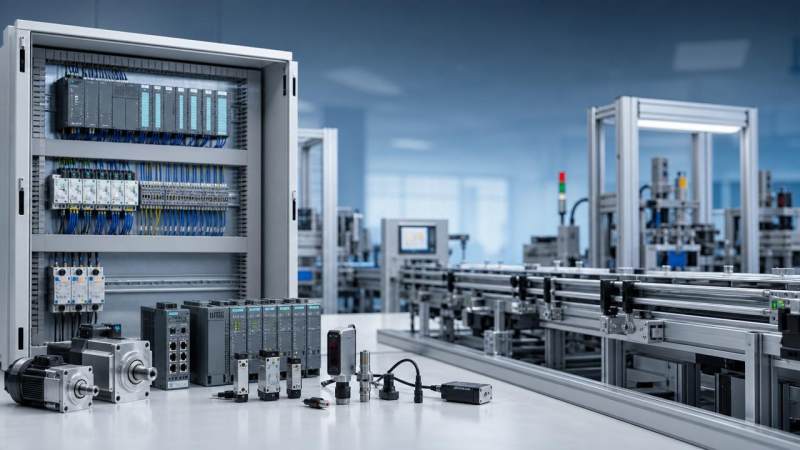
Why does one automation engineering quotation look reasonable while another seems wildly inflated for a similar project? For project managers and engineering leads, understanding these price gaps is essential to controlling risk, scope, and ROI. This article explains the key factors behind every automation engineering quotation, helping you evaluate suppliers more confidently and make smarter investment decisions.
In industrial automation, two proposals can target the same production goal yet differ by 20% to 200% in total value. That gap usually reflects differences in scope definition, engineering depth, component selection, compliance burden, software complexity, and post-installation support rather than simple supplier pricing behavior.
For project owners managing capex, deadlines, and operational risk, reading an automation engineering quotation line by line is not enough. You need to understand what is included, what is excluded, how assumptions are built, and where future cost exposure may be hiding.
What an automation engineering quotation really includes
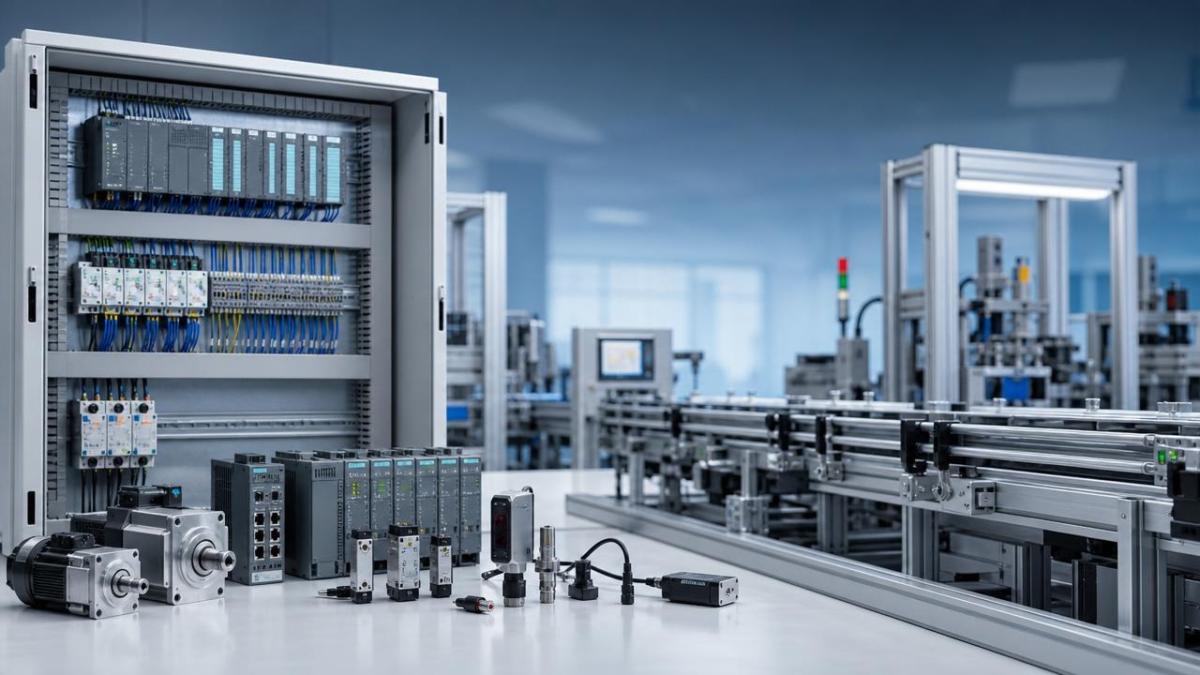
A professional automation engineering quotation is not only a price sheet. It is a technical and commercial summary covering equipment, control architecture, programming effort, testing, commissioning, documentation, and service boundaries. In many projects, the quotation also reflects project risk transferred from the buyer to the integrator.
In a simple retrofit, engineering may account for 15% to 30% of the total package. In a greenfield or multi-line integration project, engineering and software can rise to 35% to 50%, especially when MES, ERP, traceability, robotics, or safety validation are involved.
Core cost blocks inside most quotations
Most suppliers price around 6 major blocks: mechanical design, electrical design, controls hardware, software development, assembly and testing, and site services. Some also add project management, spare parts, training, cybersecurity setup, and production ramp-up assistance as separate line items.
- Concept and detailed engineering
- PLC, HMI, drives, sensors, IO, and cabinets
- Robot, motion, pneumatic, or hydraulic integration
- SCADA, MES, data collection, or reporting functions
- FAT, SAT, installation supervision, and commissioning
- Manuals, drawings, training, and after-sales support
Why “same function” does not mean same quotation
Two suppliers may both promise automated palletizing, vision inspection, or conveyor control, yet one may include full CE documentation, safety circuits with Performance Level validation, and 72-hour FAT testing, while the other may only include basic functional startup. The apparent price gap often comes from hidden differences in deliverable depth.
The table below shows how common quotation components can vary from one supplier to another, even when the application category looks similar on the surface.
For project managers, this comparison matters because a lower automation engineering quotation can shift future cost into change orders, delayed startup, or additional subcontracting. A higher quotation may actually reduce lifecycle cost if it includes better validation, cleaner integration, and faster recovery support.
Why quotations vary so much from project to project
Price variation is usually driven by technical uncertainty and execution responsibility. The more unknowns a supplier must absorb, the more contingency and engineering hours will appear in the automation engineering quotation. This is especially true in brownfield factories where legacy equipment, undocumented wiring, and unstable utilities create integration risk.
1. Scope clarity and change risk
A quotation based on a 2-page concept note will differ sharply from one based on a 40-page URS, full P&ID set, IO list, layout drawing, and cycle-time target. When scope is unclear, suppliers must estimate assumptions for throughput, interface counts, tolerances, and acceptance criteria.
For example, a packaging line targeting 18 units per minute requires a different control and motion strategy than one targeting 45 units per minute. A repeatability demand of ±0.2 mm also drives different servo, vision, and mechanical design costs than a ±1.0 mm tolerance.
2. Hardware tier and brand strategy
Not all components are priced equally, even within the same function. One supplier may specify entry-level sensors and local drives, while another chooses globally supported brands with faster replacement access, longer lifecycle support, and stronger compatibility with existing plant standards.
In cross-border projects, brand selection can affect lead time by 4 to 16 weeks. It can also influence spare parts strategy, training burden, cybersecurity exposure, and long-term maintenance cost. G-IFA’s benchmarking perspective is valuable here because comparable performance should always be judged against standards, support availability, and integration fit, not just list price.
3. Software and integration complexity
Software often creates the largest hidden difference in an automation engineering quotation. A standalone machine with 150 IO points and one HMI is very different from a line with 1,200 IO points, 6 servo axes, 2 robots, SCADA screens, historian functions, and ERP data exchange.
Once you add recipe logic, batch tracking, downtime coding, user permissions, remote support, and multilingual interfaces, engineering hours can rise by 30% to 80%. Buyers who compare quotations only by equipment count often underestimate this layer.
4. Compliance, safety, and validation requirements
A project requiring CE-ready design, ISO-aligned safety documentation, lockout integration, and validation records will cost more than a machine intended for internal non-regulated use. Safety relays, interlocks, scanners, guarded access zones, and risk reduction measures are engineering items, not simple accessories.
If the plant operates in food, pharma, electronics, or export-oriented manufacturing, documentation effort can increase significantly. Even when hardware cost rises by only 8% to 15%, testing and document preparation can add another 10% to 20% to the final automation engineering quotation.
5. Site conditions and commissioning burden
Greenfield sites are usually cleaner to estimate. Retrofit projects are harder. Old panels, missing drawings, limited installation windows, compressed shutdown periods, and unstable compressed air or power quality can all increase commissioning hours.
A supplier planning 5 commissioning days under controlled conditions will quote differently from one expecting 14 to 21 days with night shifts, line-by-line cutover, and multi-team coordination. This is one of the most common reasons similar projects receive very different quotations.
How project managers should compare quotations fairly
A fair comparison requires normalization. Instead of asking which automation engineering quotation is cheapest, ask which proposal covers the same scope, performance target, risk profile, and support model. This approach makes supplier evaluation more objective and defensible in internal approvals.
Build a 5-point comparison framework
- Define functional scope, throughput, and acceptance criteria.
- Map all hardware and software deliverables line by line.
- Review exclusions, assumptions, and change-order triggers.
- Compare lead time, FAT/SAT plan, and commissioning duration.
- Assess service response, documentation quality, and spare strategy.
This framework is particularly important when bids arrive in different formats. One supplier may bundle engineering into hardware pricing, while another separates every service hour. Without normalization, internal stakeholders may make decisions on incomplete cost visibility.
The next table can help teams review an automation engineering quotation using practical purchasing and delivery criteria rather than headline price alone.
A structured review often reveals that the lowest offer omits 3 to 5 important items, such as spare IO capacity, documented backups, or operator training. Those omissions can create avoidable cost during ramp-up, especially in multi-shift plants where downtime has a visible hourly value.
Look beyond capex to lifecycle cost
An automation engineering quotation should be evaluated against at least a 3-year to 5-year operating horizon. Lower upfront cost can be offset by higher maintenance effort, slow troubleshooting, limited spare availability, or difficult software modification.
For example, if a better architecture cuts unplanned downtime by even 2 hours per month, the value can exceed the initial price premium in less than 12 months in high-throughput production environments. Project managers should involve maintenance, operations, and IT before final approval.
Common mistakes that distort quotation decisions
Many procurement teams unintentionally compare unlike-for-unlike proposals. That leads to either overbuying features the plant will never use or underbuying critical engineering depth required for stable production.
Mistake 1: Choosing by hardware count only
A quotation with fewer visible line items may still include more software logic, stronger safety design, and better documentation. In automation, hidden value often sits in engineering hours, validation effort, and system architecture rather than in cabinet material cost alone.
Mistake 2: Ignoring exclusions and assumptions
Every automation engineering quotation should be reviewed for exclusions such as cable routing, utility connection, machine relocation, floor modification, third-party interfaces, or customer-side FAT attendance. A short exclusion list is not always safer; it may simply be less precise.
Mistake 3: Underestimating post-installation support
The first 30 to 90 days after startup are often when real operating issues appear. If response terms, software backup ownership, and training scope are unclear, project teams can become dependent on unplanned service calls. That weakens both timeline control and long-term maintainability.
Mistake 4: Not aligning with factory digital strategy
A low-cost local solution may become expensive if it cannot connect to MES, ERP, historian, or remote analytics platforms later. In Industry 4.0 environments, today’s quotation must be checked against tomorrow’s interoperability needs across robotics, PLC platforms, motion systems, and industrial software.
A practical approach to getting better quotations
Better quotations usually start with better inputs. When buyers provide complete technical and commercial requirements, suppliers can reduce contingencies and produce more accurate, comparable proposals. This improves both budget planning and negotiation quality.
Prepare these 6 inputs before requesting quotes
- Target throughput, cycle time, and quality tolerance
- Existing equipment list, layouts, and electrical standards
- Required interfaces to robots, PLCs, MES, ERP, or SCADA
- Safety expectations and site compliance obligations
- Preferred commissioning window and shutdown limits
- Training, documentation, and support response expectations
Use benchmark-driven evaluation
This is where an intelligence platform such as G-IFA adds value. By comparing automation hardware and software options across robotics, PLC and control systems, motion control, industrial IoT software, and fluid power systems against recognized standards such as ISO, IEC, and CE expectations, project teams can filter marketing claims and focus on engineering fit.
Instead of asking only whether a quotation is high or low, teams can ask whether the proposed architecture is proportionate to production risk, expansion plans, and support needs. That shift leads to better ROI decisions and fewer surprises during implementation.
Questions to ask suppliers before approval
Ask for a clear breakdown of engineering hours, IO count assumptions, software functions, FAT duration, spare strategy, and ownership of source files. Also ask what happens if the real site condition differs from the bid assumption by 10% to 15% in cable length, layout access, or utility readiness.
A strong supplier should be able to explain not only price but also design logic, risk controls, and acceptance methodology. If they cannot define these points clearly, the quotation may be cheap because the uncertainty is being pushed back to your team.
The biggest lesson for project managers is simple: an automation engineering quotation is a risk map as much as a budget number. Wide quotation differences usually reflect different assumptions about hardware quality, software depth, standards compliance, commissioning effort, and support responsibility.
When you evaluate proposals through scope transparency, lifecycle cost, and benchmarked engineering logic, you make better decisions for productivity, uptime, and long-term scalability. If you are reviewing automation projects across robotics, PLC systems, motion platforms, IIoT software, or pneumatic and hydraulic integration, G-IFA can help you benchmark options and reduce uncertainty. Contact us today to get a more informed view of your next automation engineering quotation and explore a solution tailored to your factory goals.
Recommended News
- 2026/10/24Car Spare Parts: How to Check Fitment and Avoid Ordering the Wrong PartOrder car spare parts with confidence. Learn how to verify VINs, OEM numbers, and fitment details to avoid costly mistakes and choose the right replacement first time.
- 2026/10/23How Do You Select a Motion Control System for Synchronized Axes?How do I select a motion control system for synchronized axes? Discover key timing, feedback, and performance checks to choose confidently and reduce costly integration risks.
- 2026/10/23Integrating End-of-Line Sortation with Packing Stations and Conveyor ControlsOptimize end of line sortation with coordinated packing stations and conveyor controls. Learn how to prevent bottlenecks, improve routing accuracy, and handle exceptions reliably.